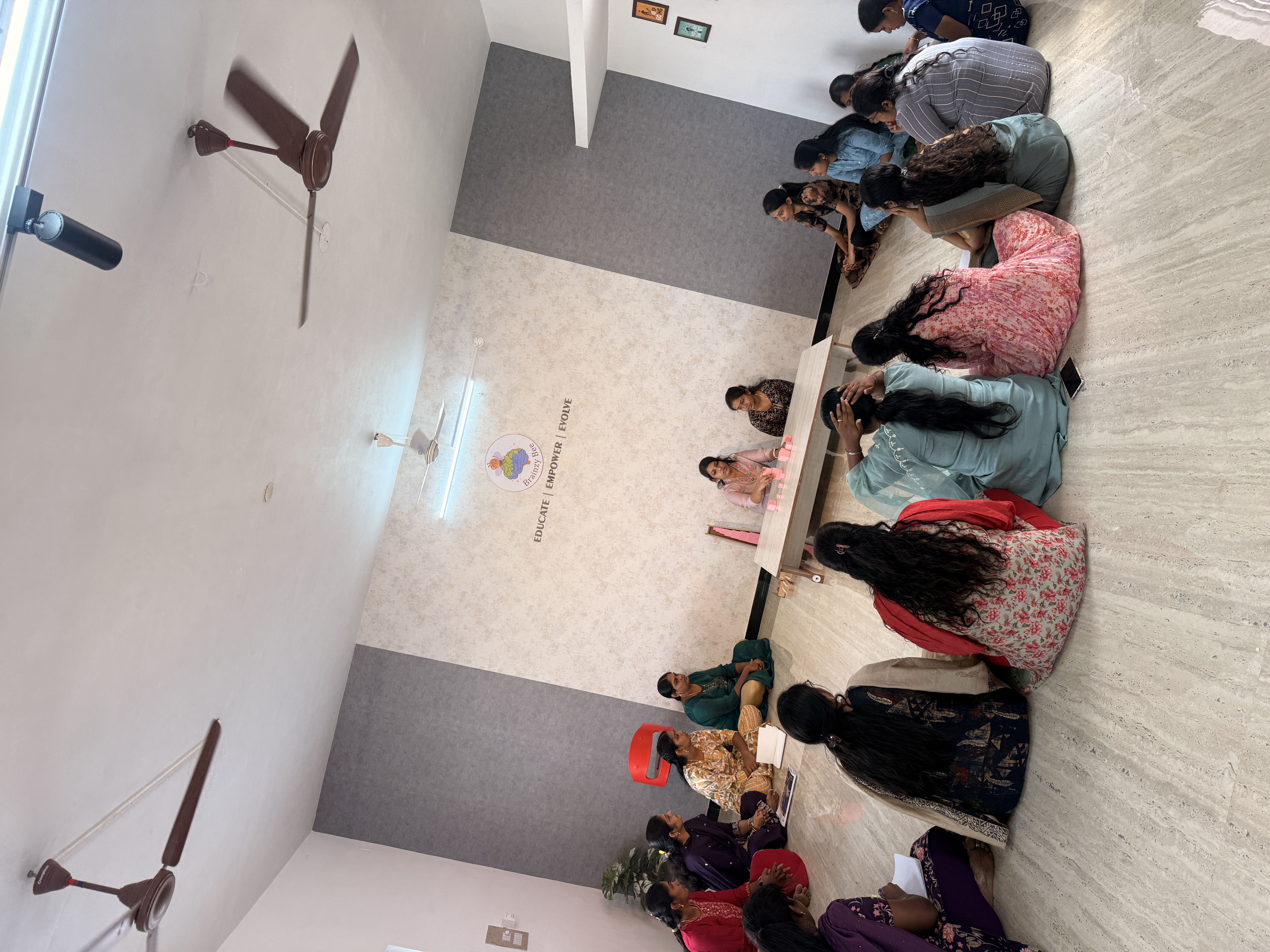
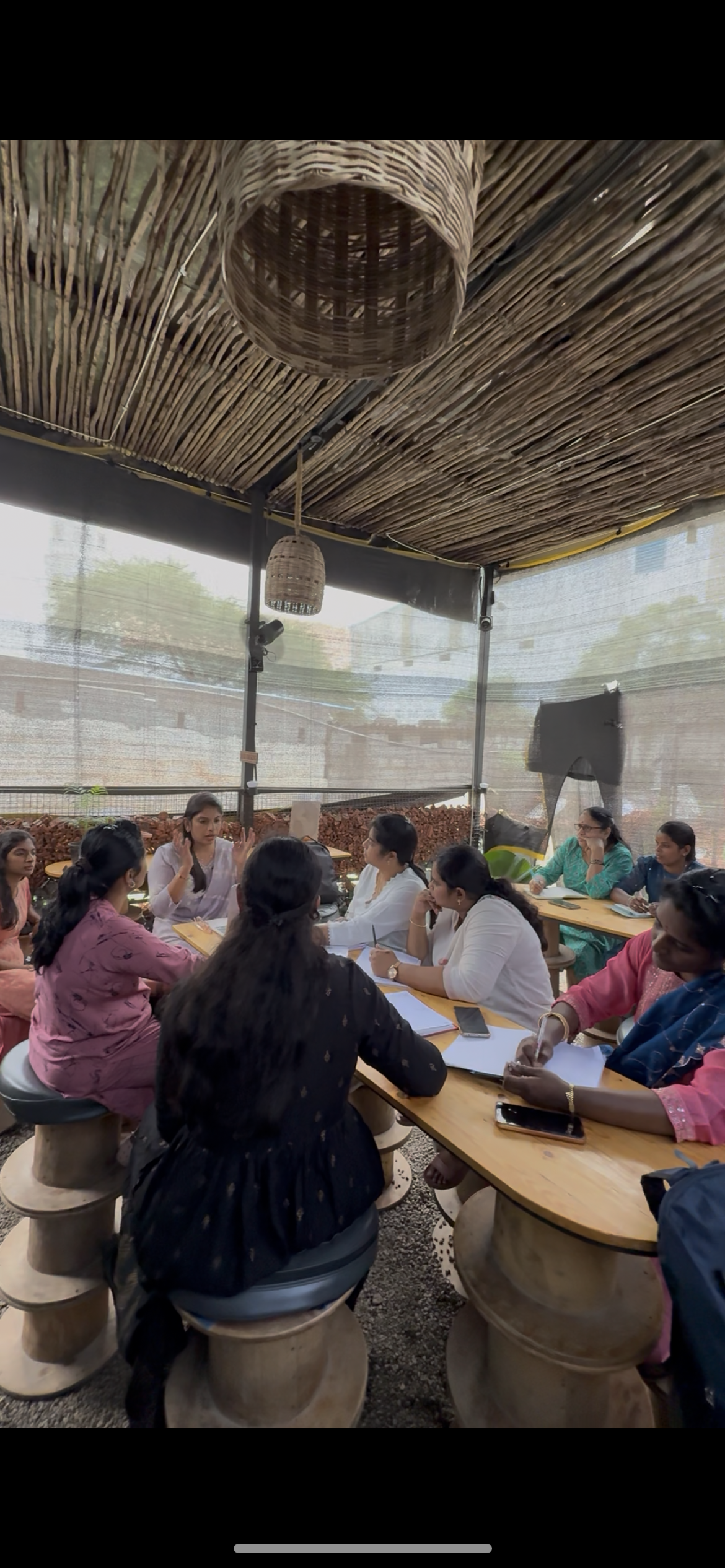
The core essence of the Montessori method lies in one fundamental truth: Montessori is not just a theory; it is a hands-on practice. Maria Montessori designed this child-centered philosophy around touch, movement, exploration, and purposeful work with specialized materials.
For aspiring educators pursuing certification through distance education, the biggest question is often: Can an online course truly deliver the sensory, hands-on depth that Montessori demands?
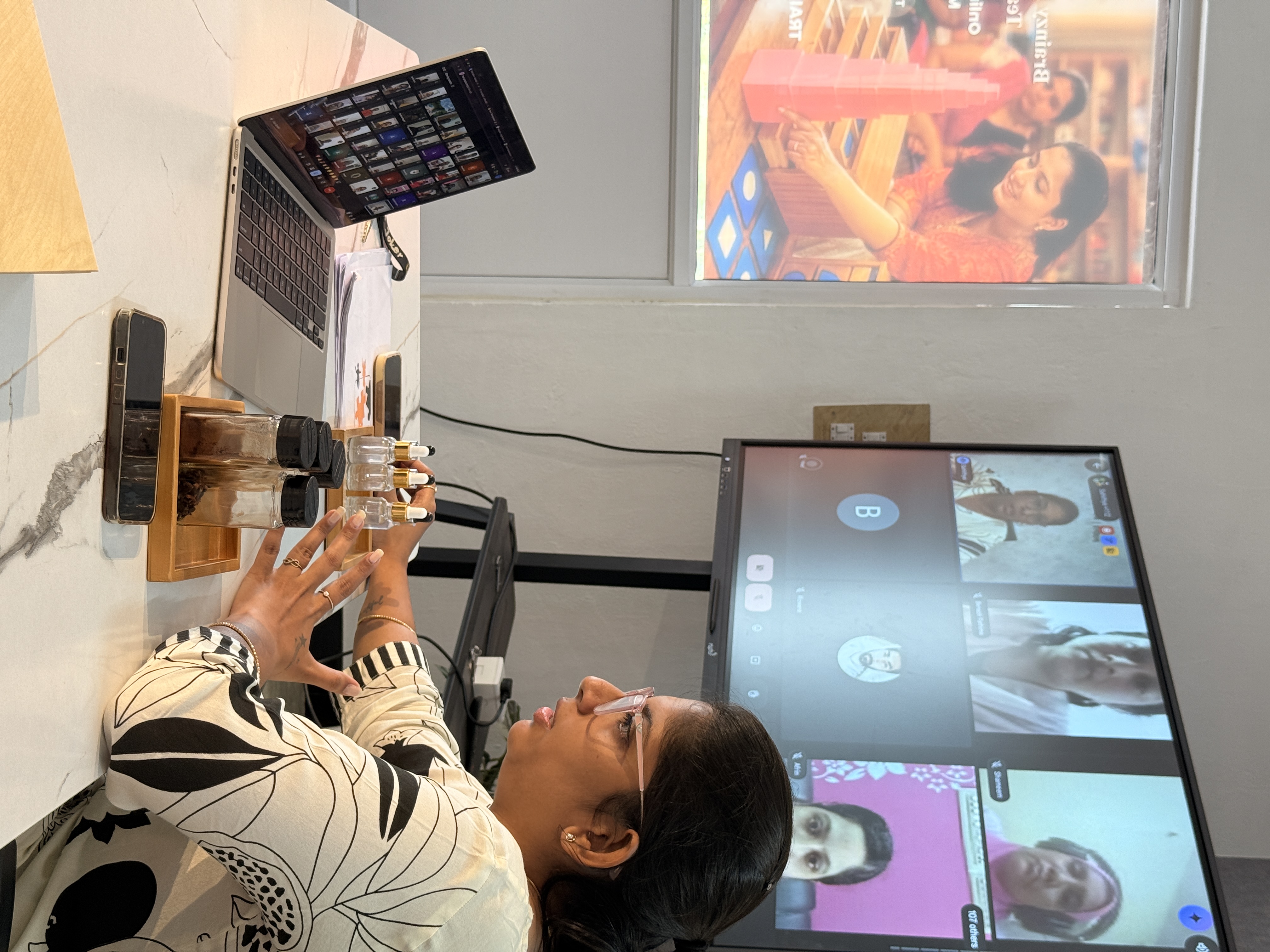
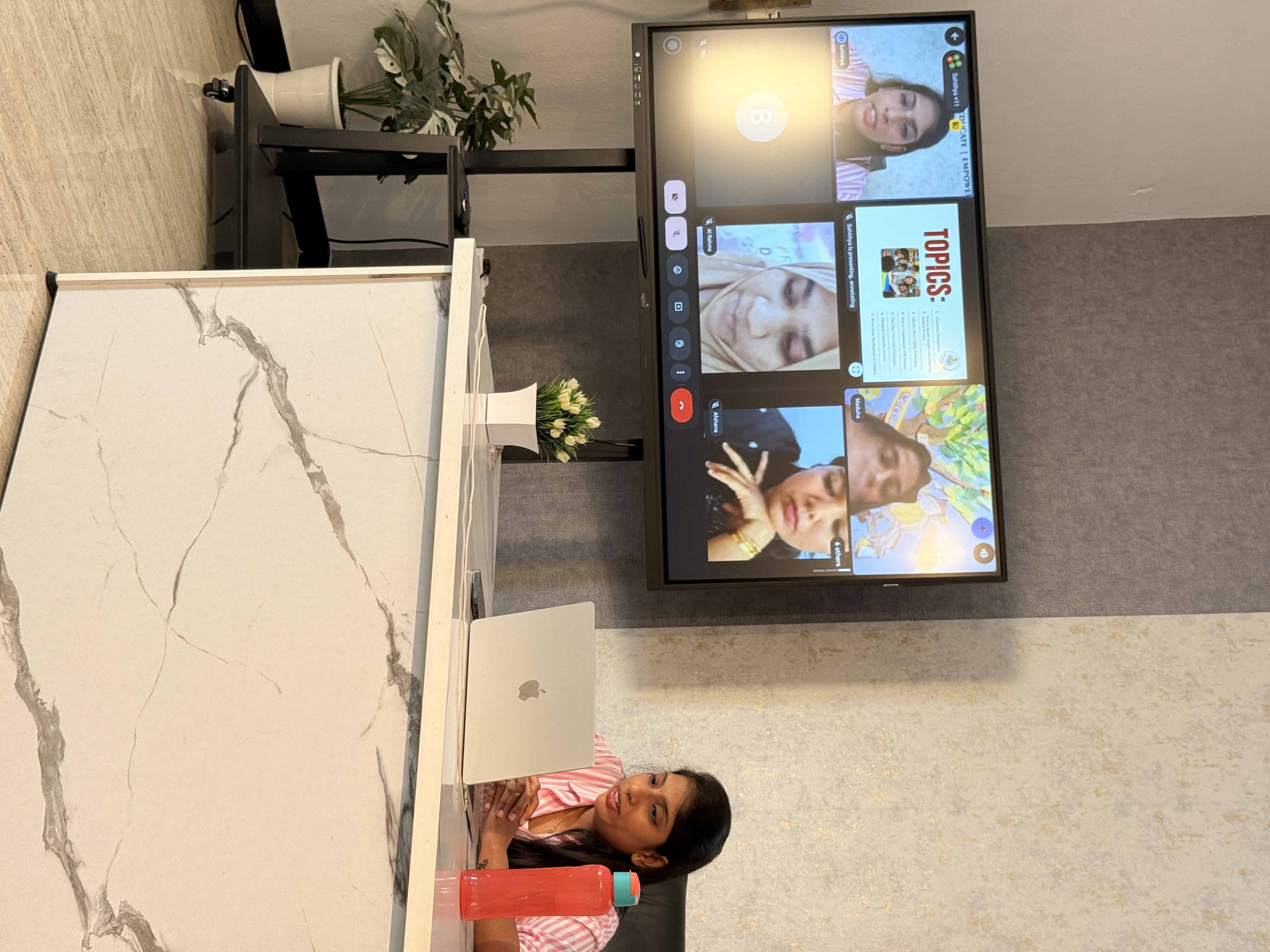
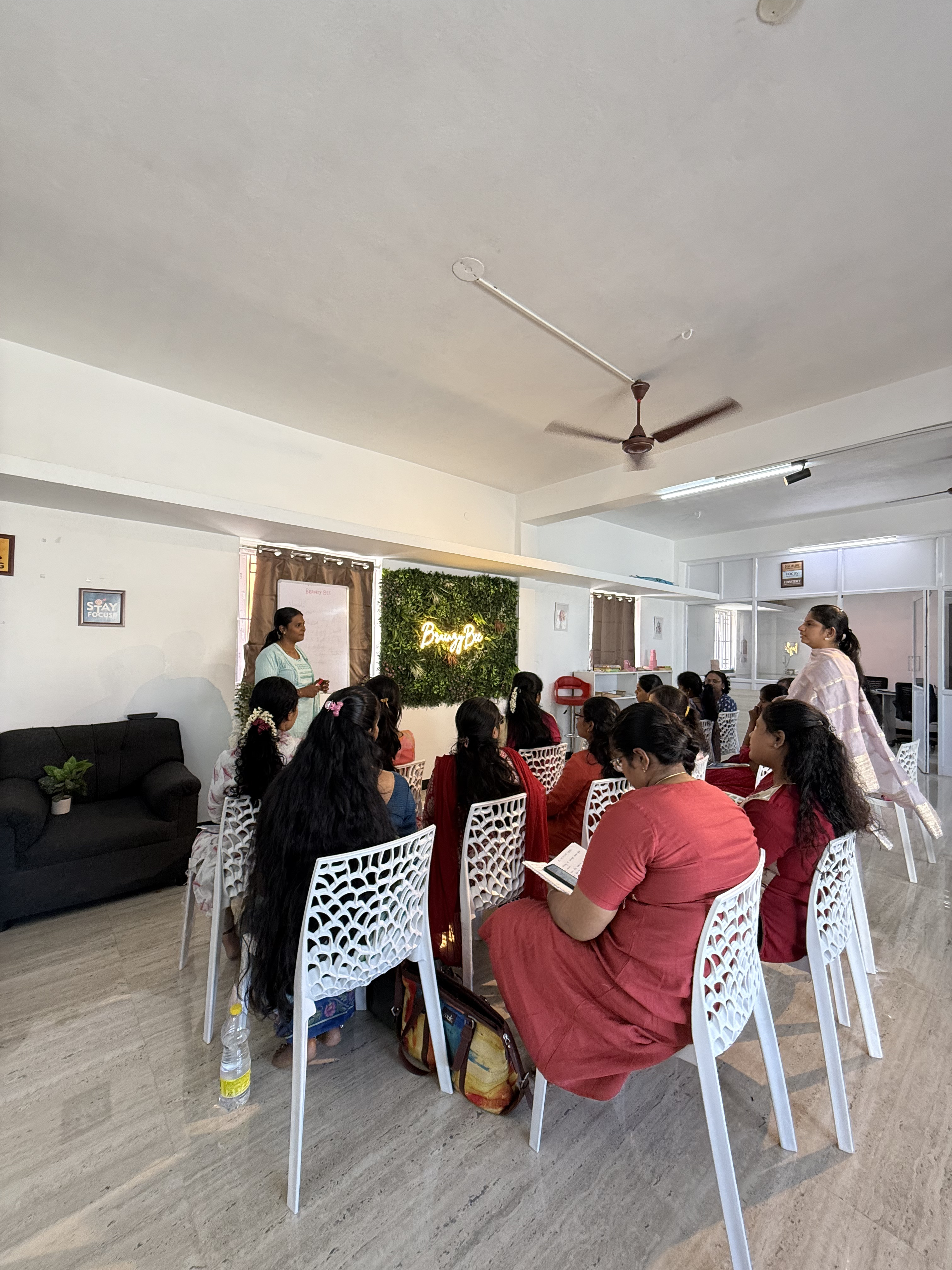
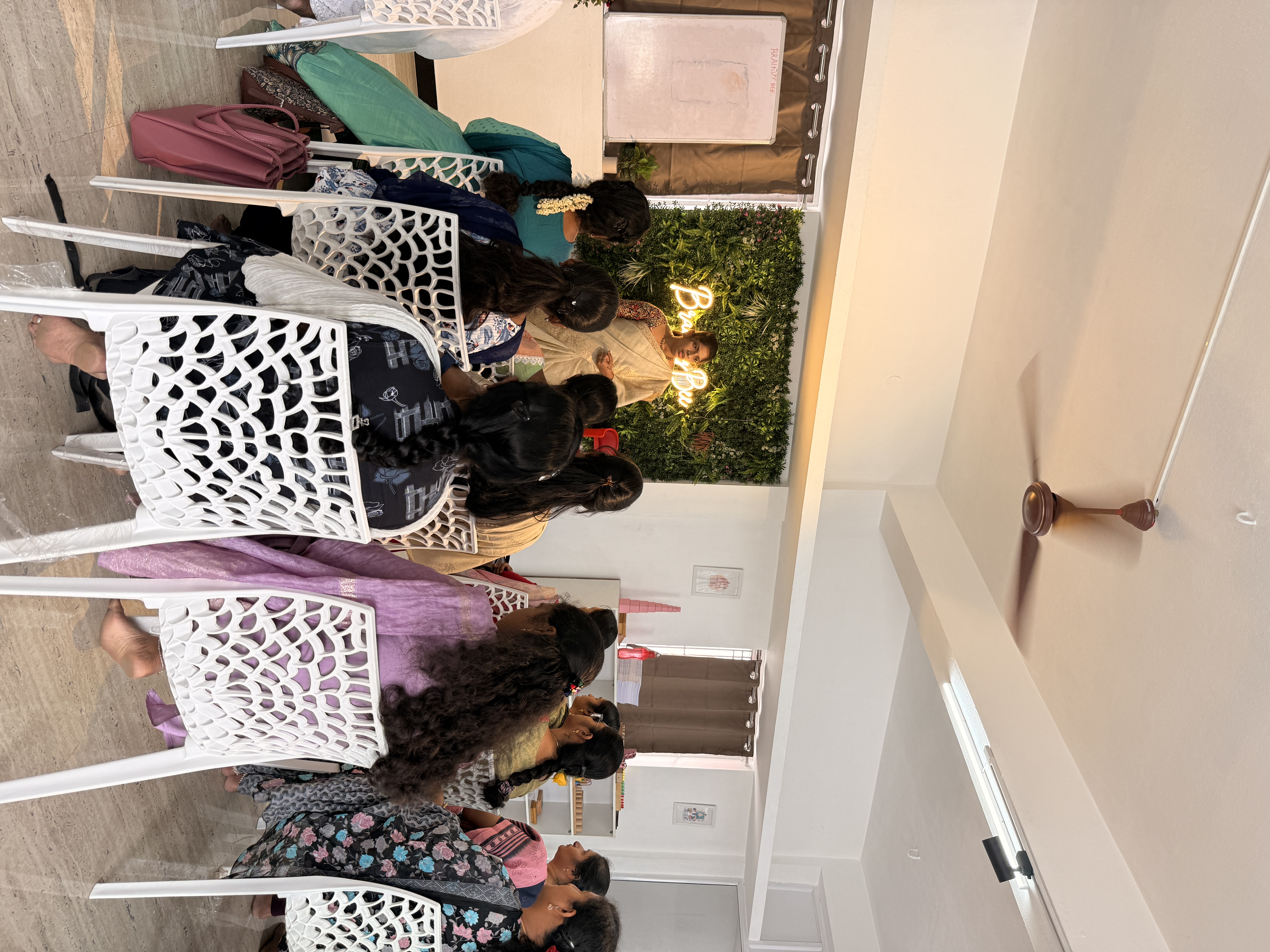
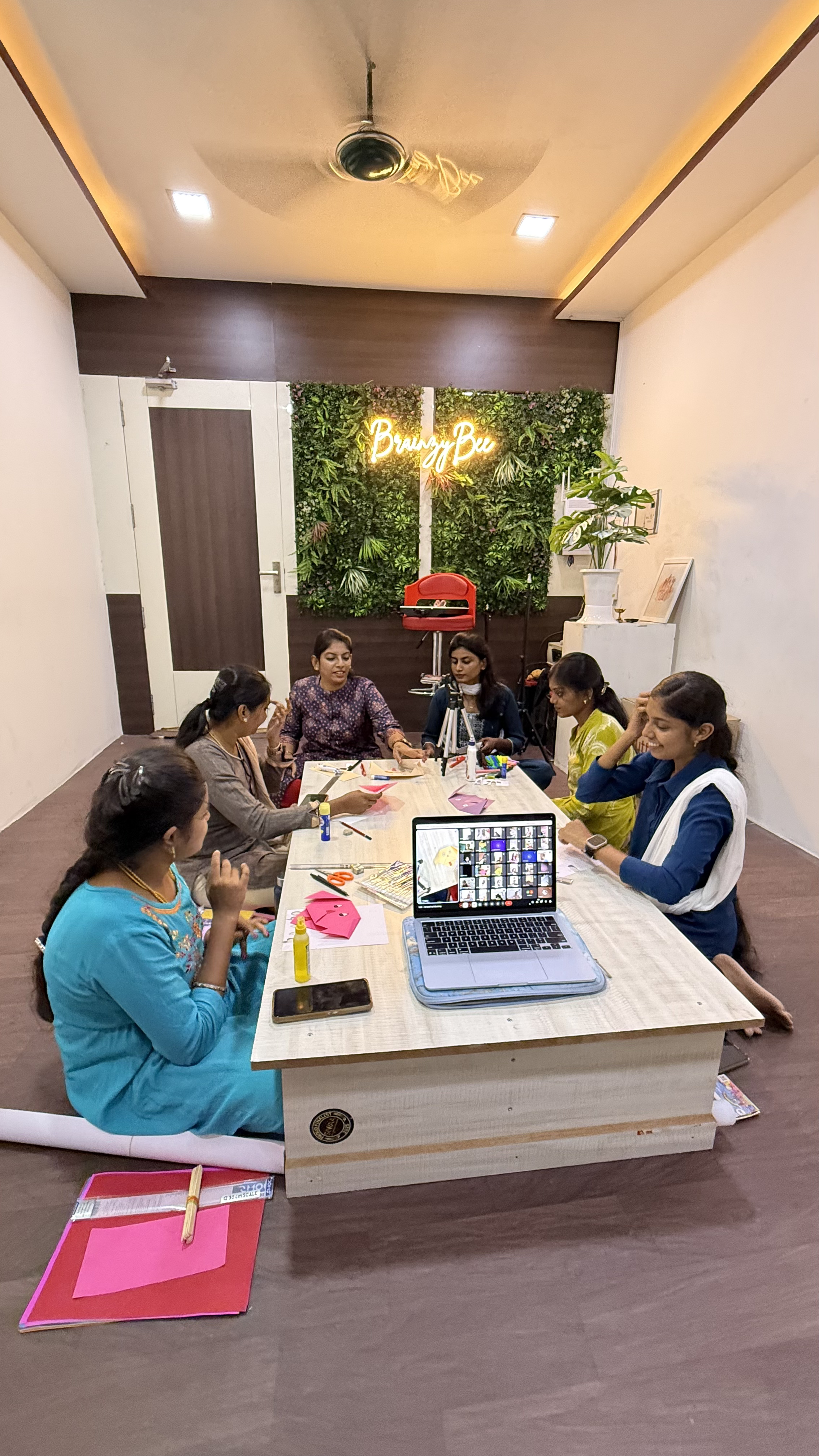
At BrainzyBee, the answer is a resounding yes. Through structured, interactive online practical sessions, our trainees bridge the gap between pedagogy and live classroom execution.
Moving from Pedagogy to Practice
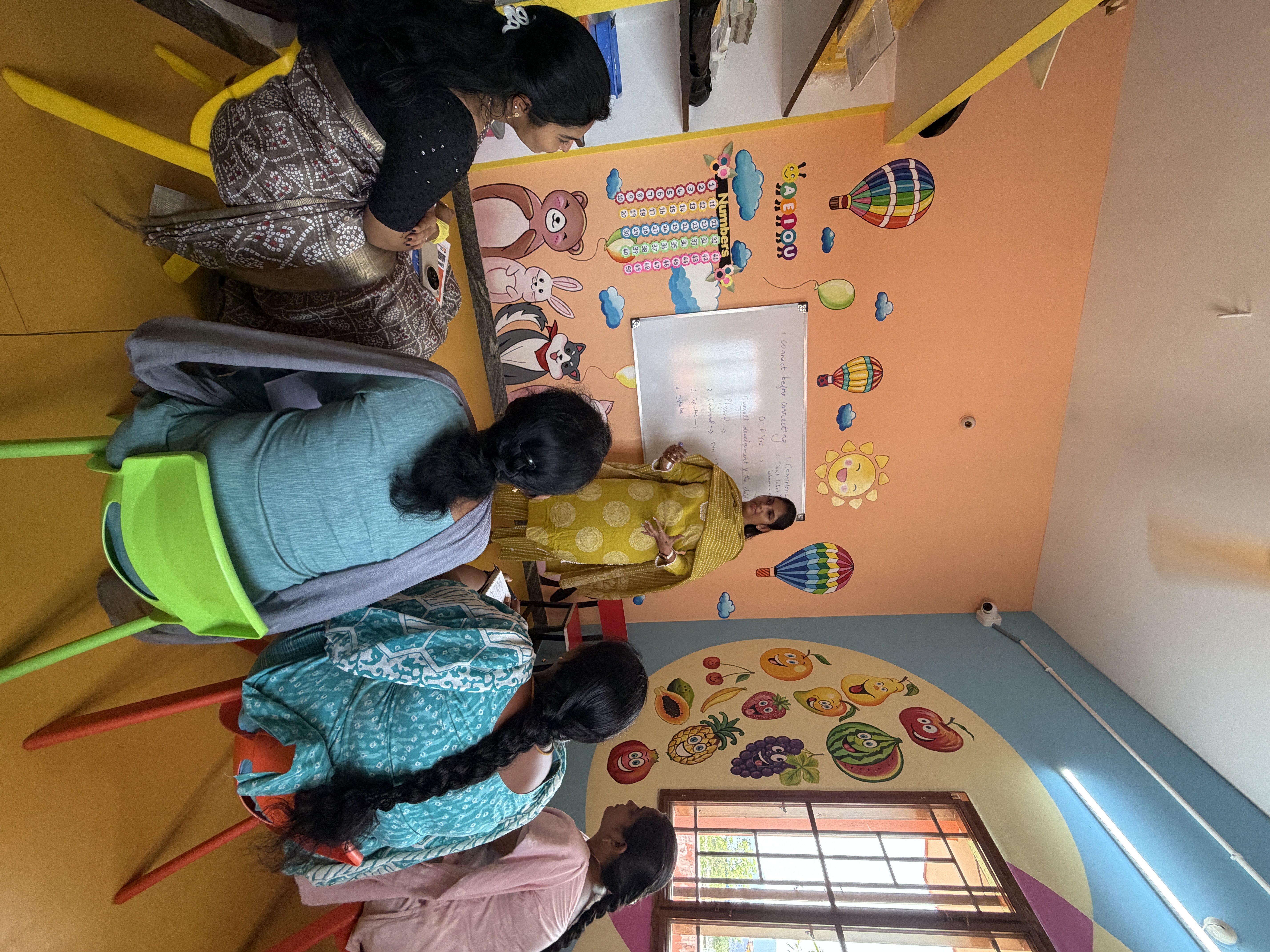
Understanding sensitive periods, normalization, and the absorbent mind through lectures is only the first step. The true test of a prepared adult begins when introducing learning apparatus to a child.
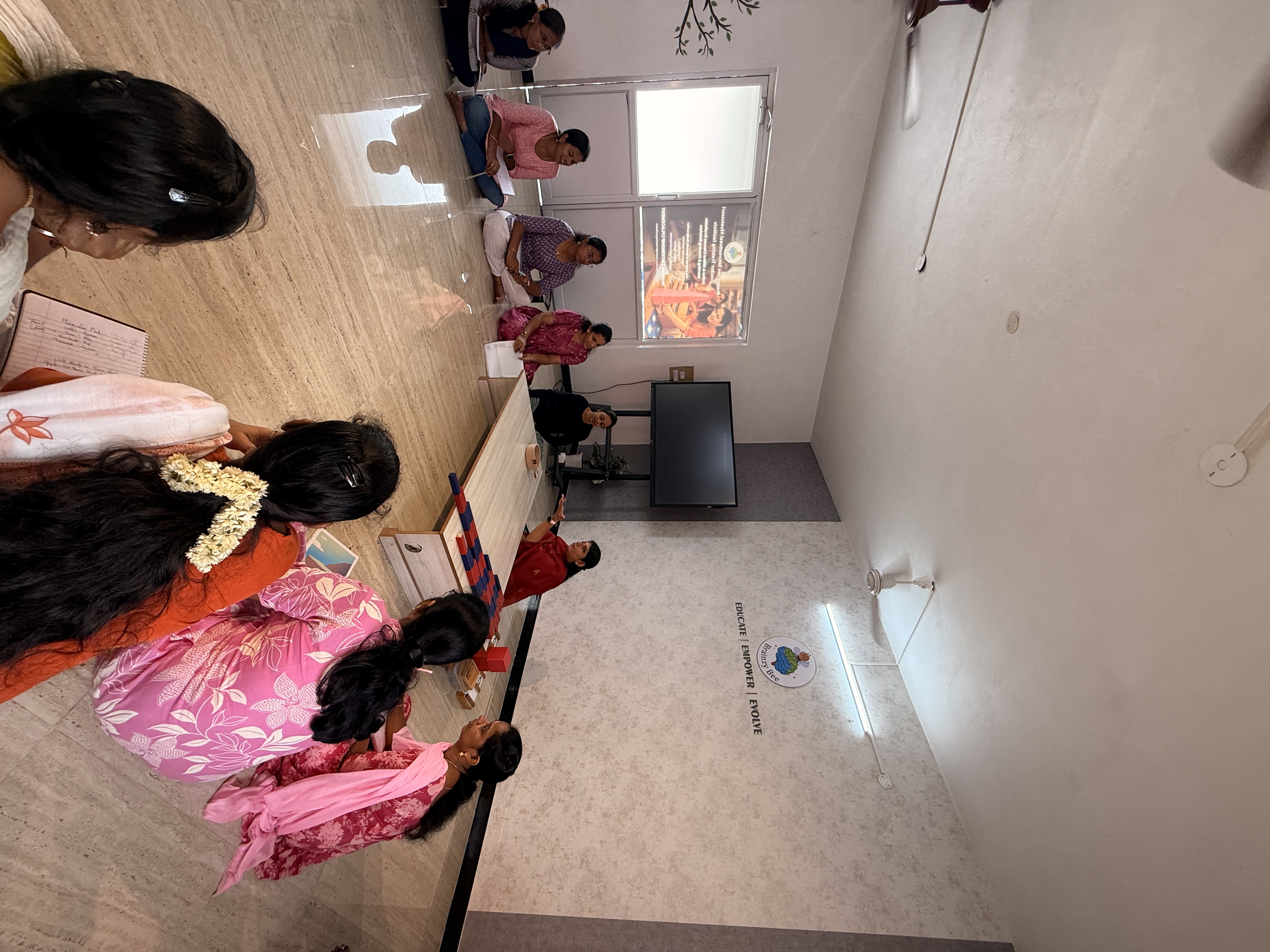
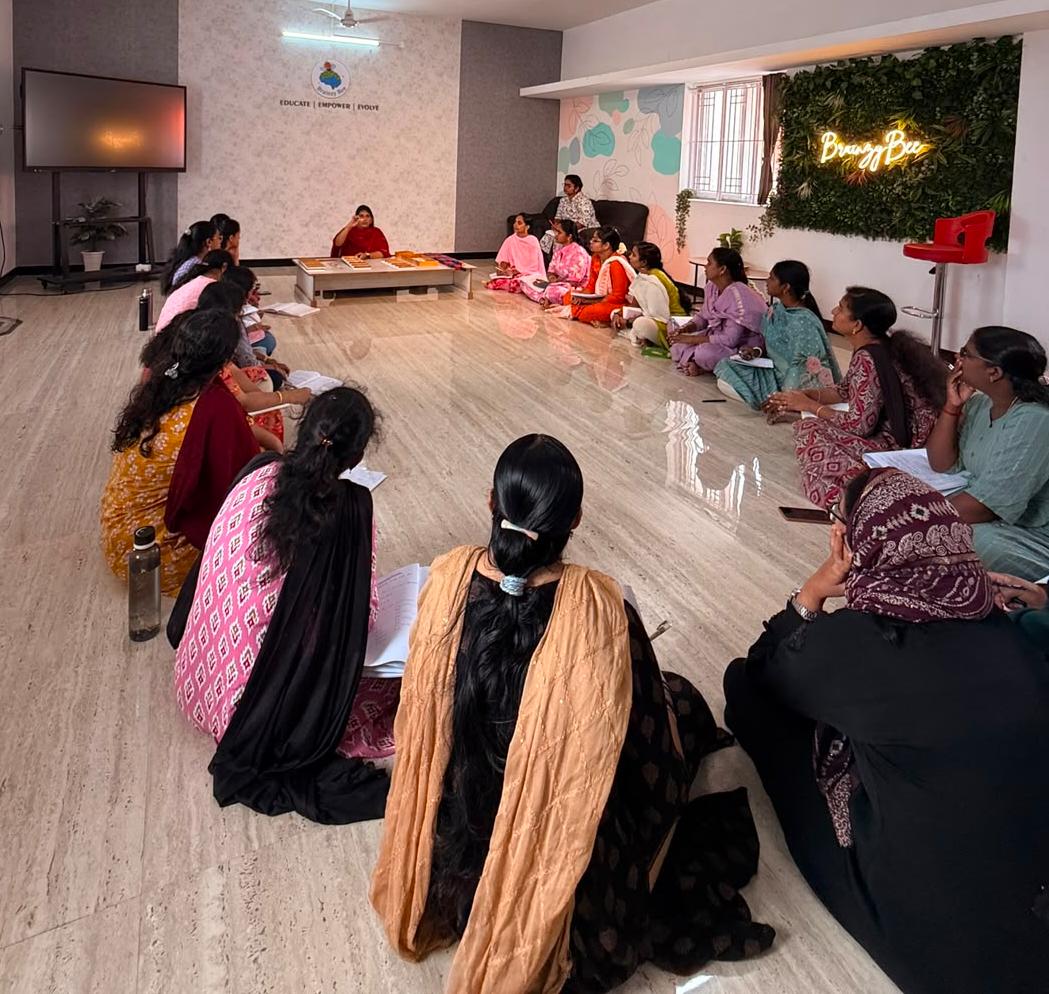
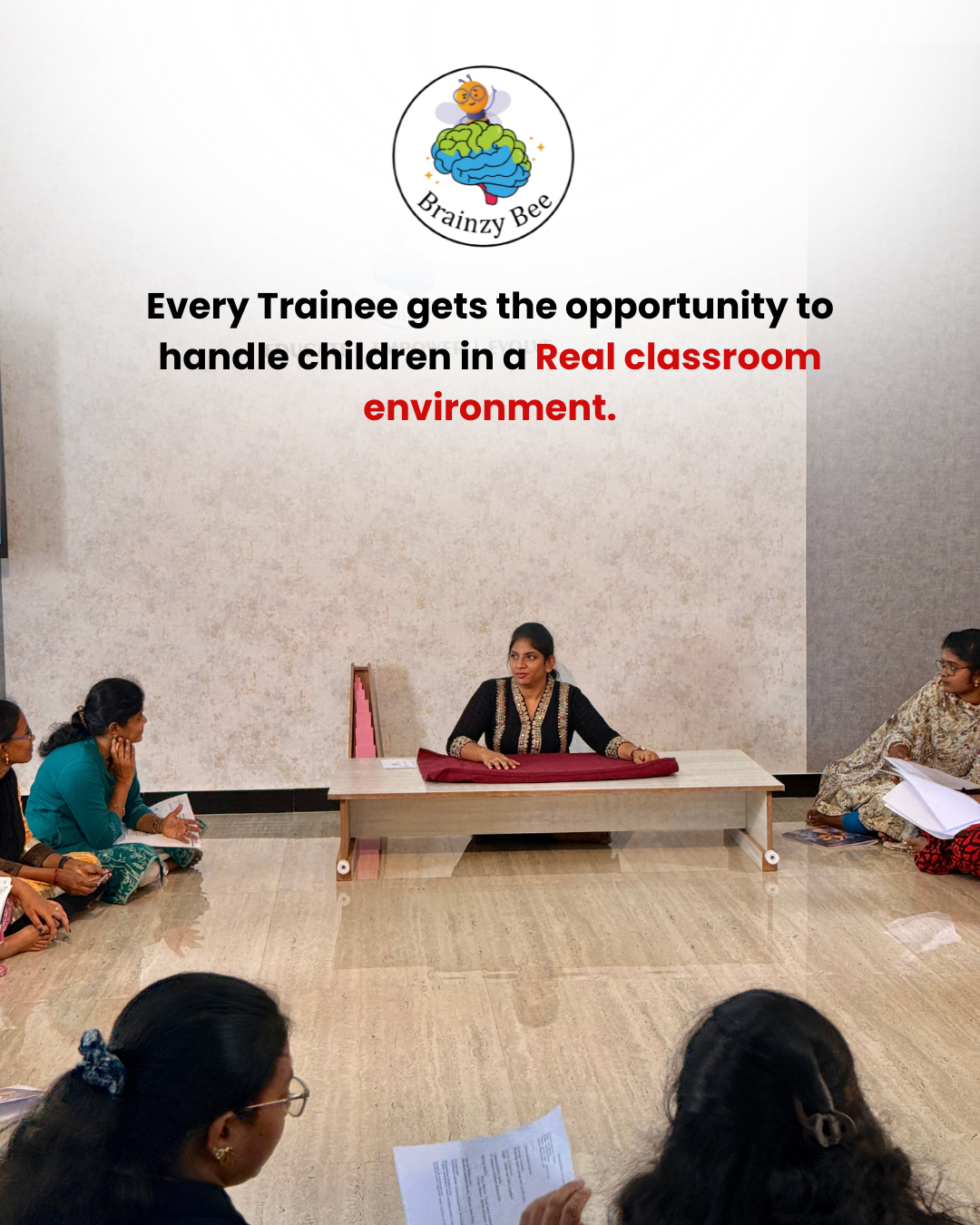
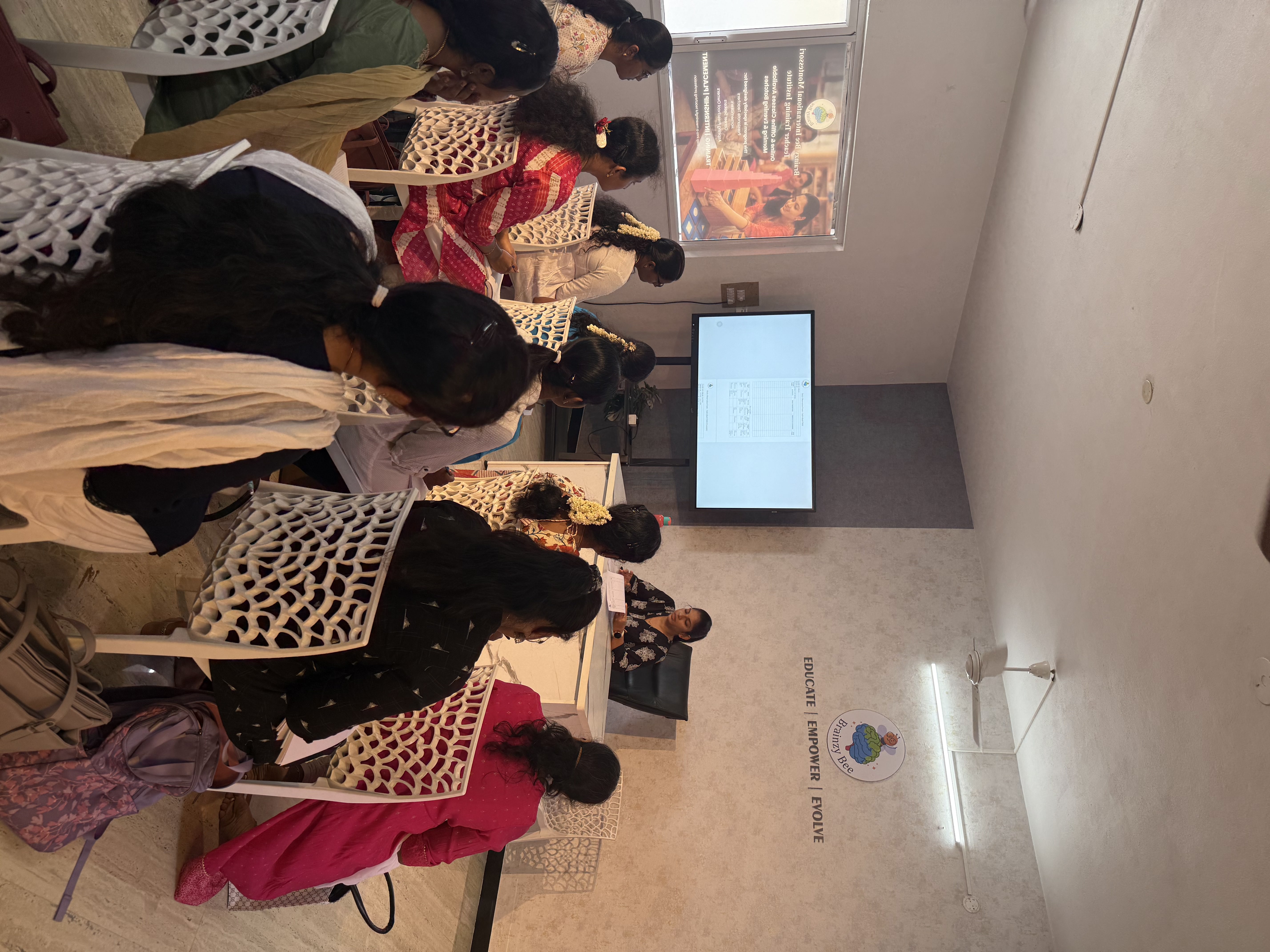
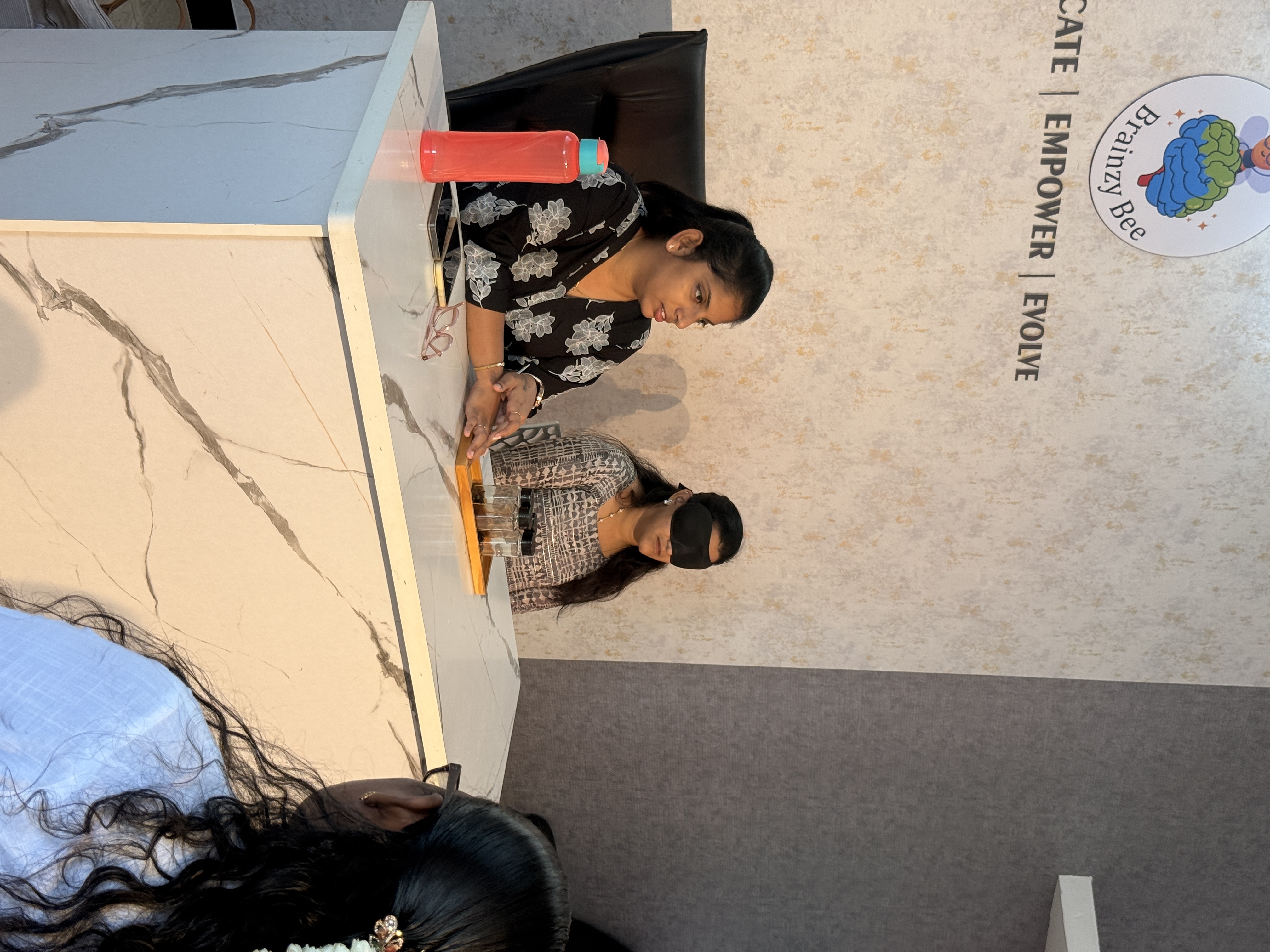
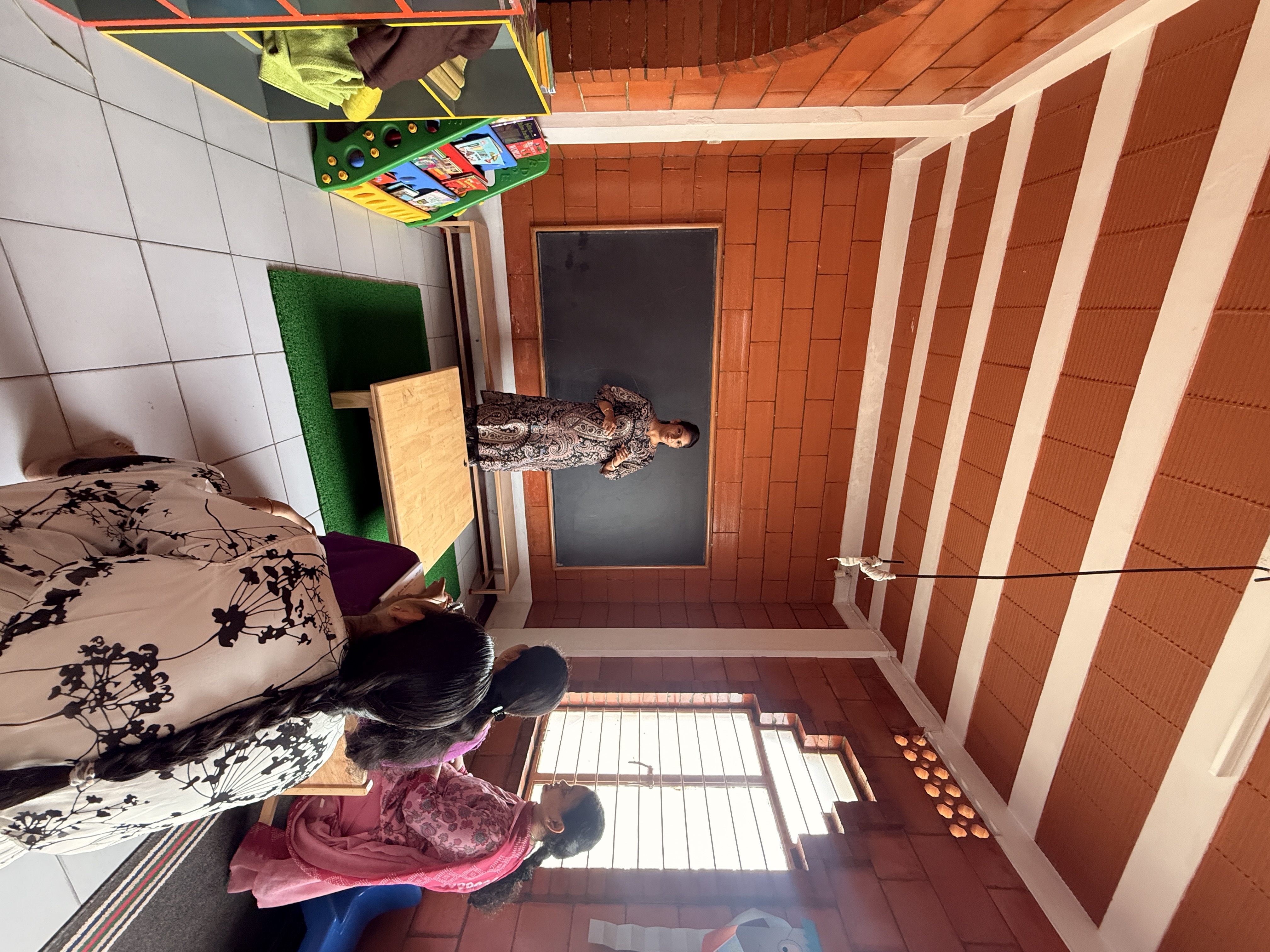
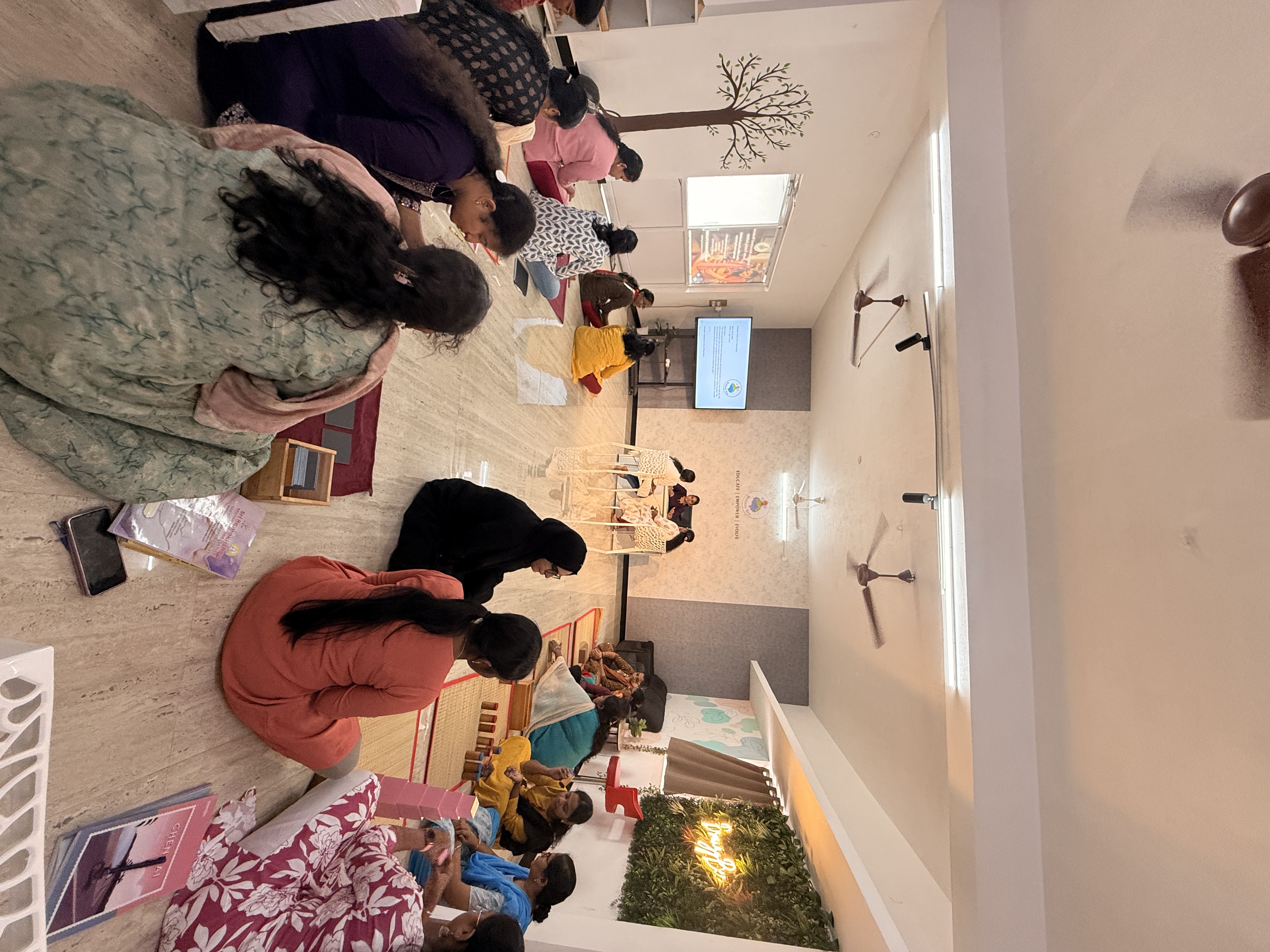
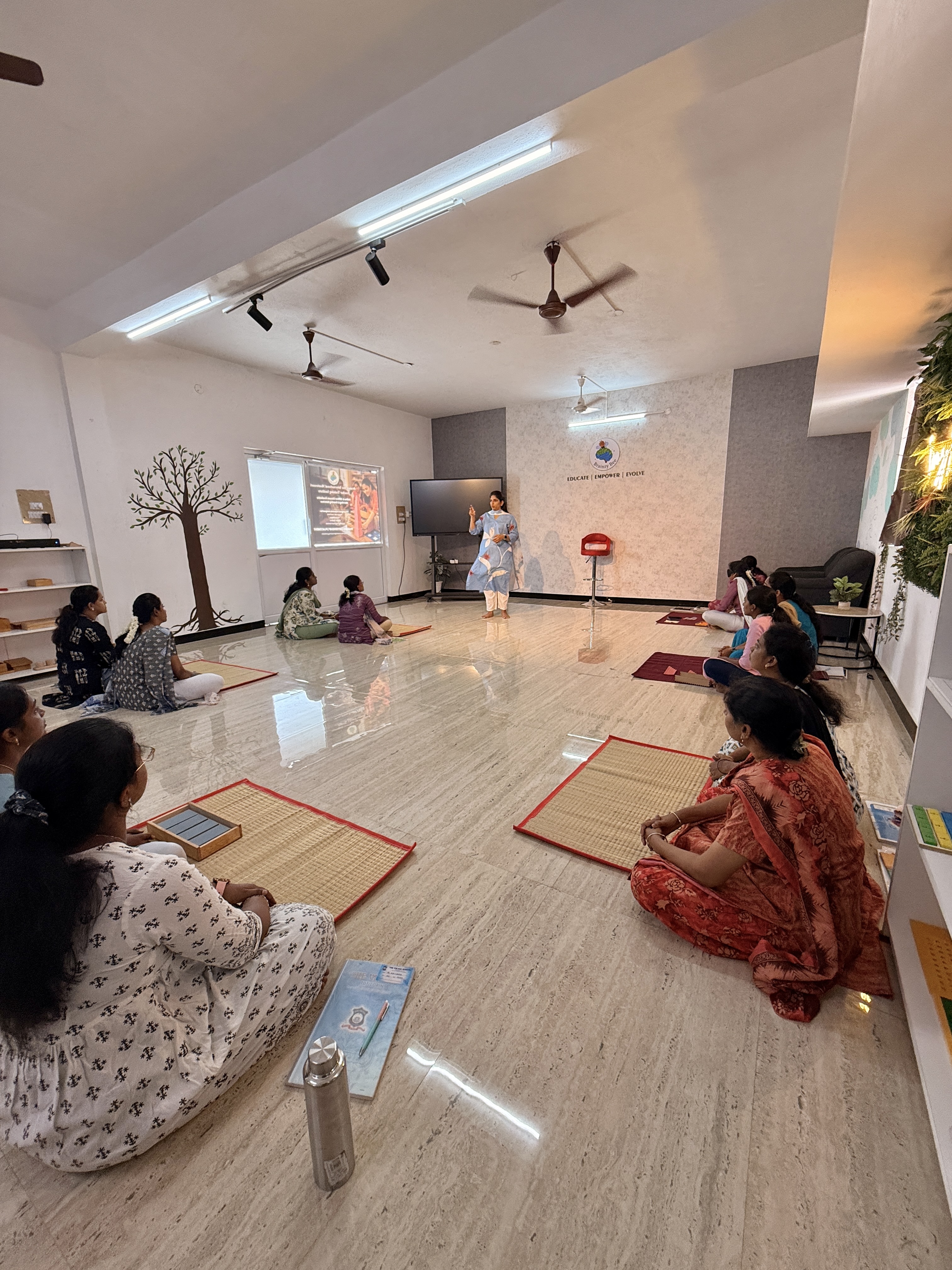
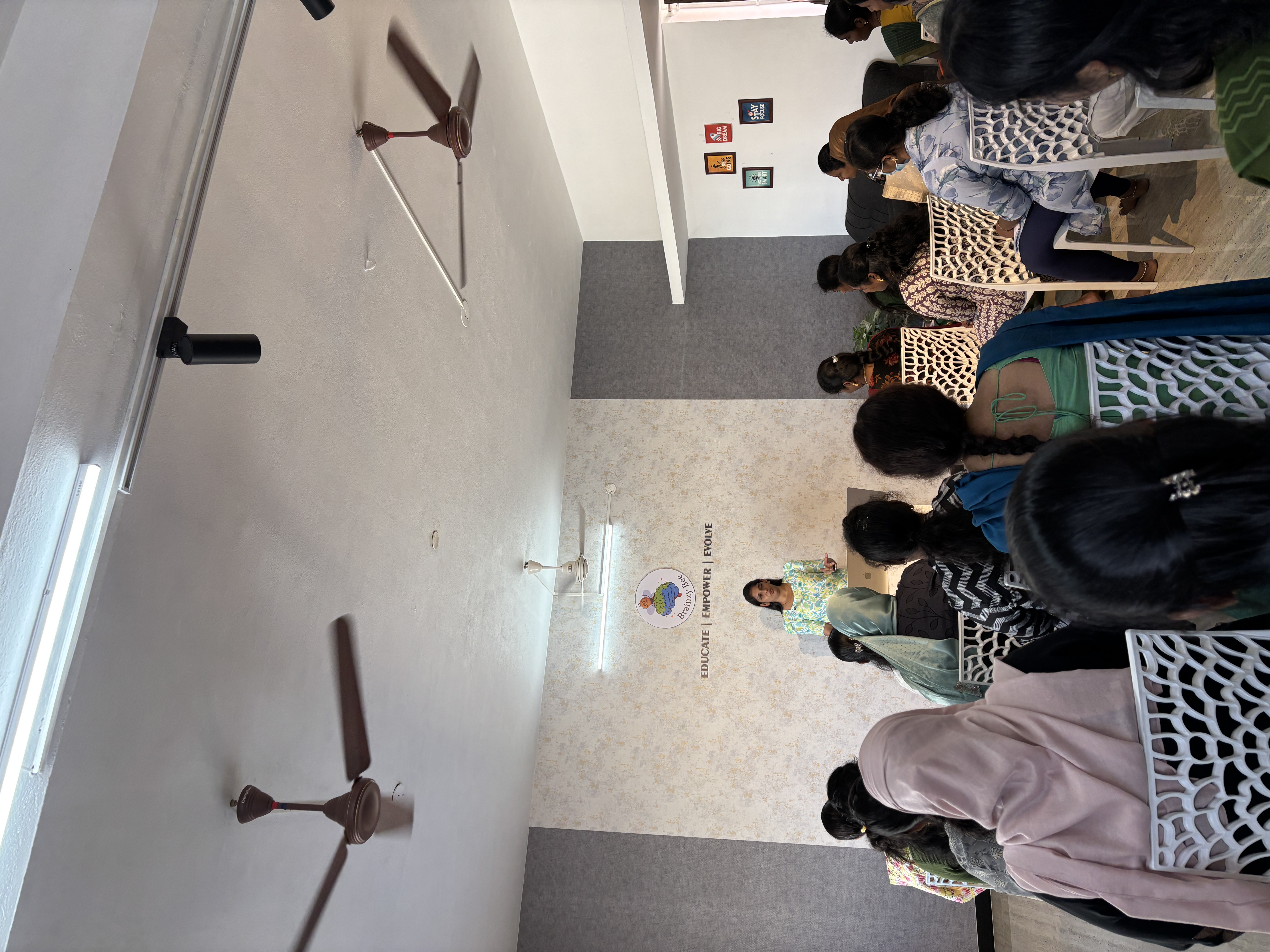
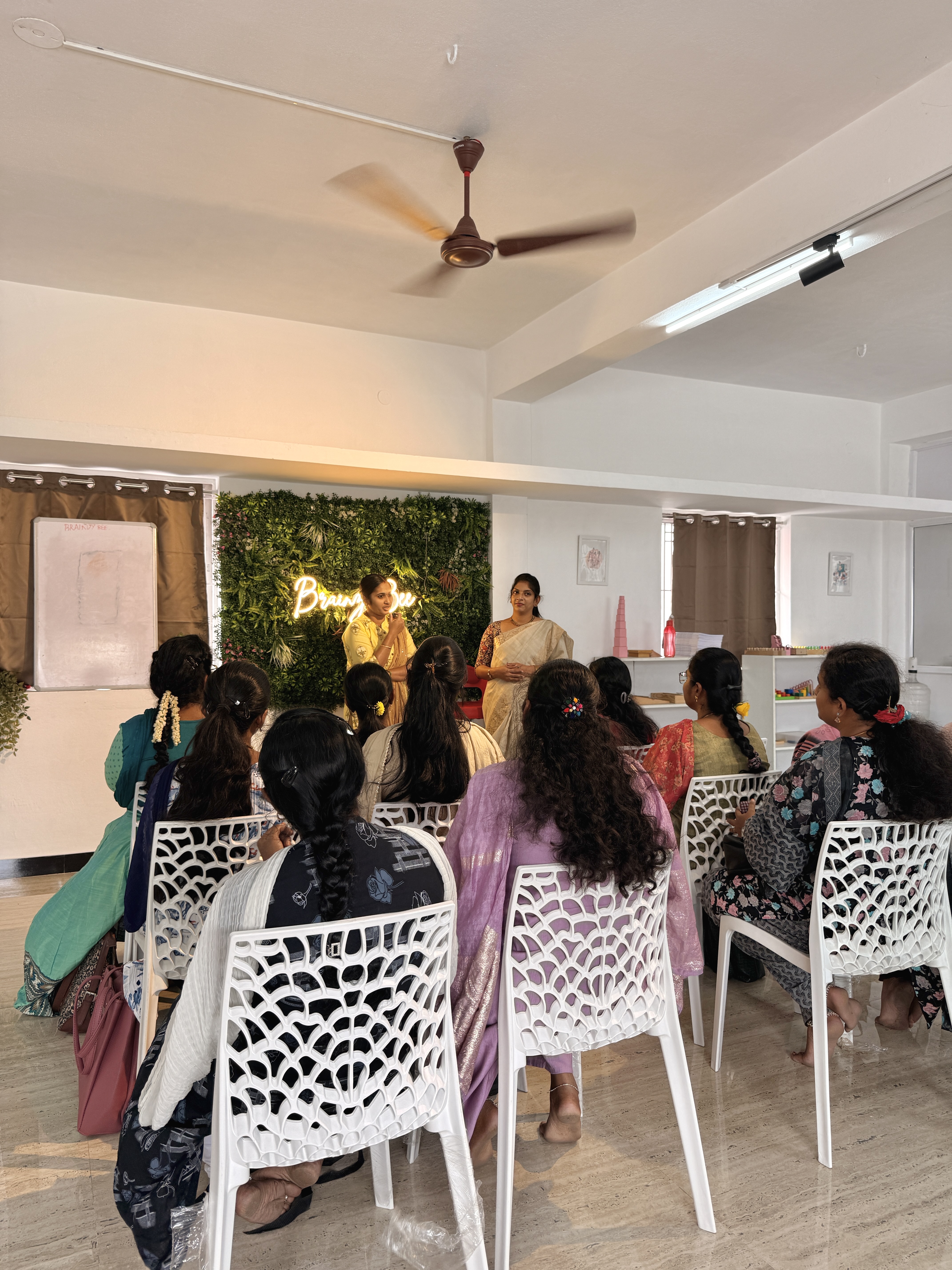
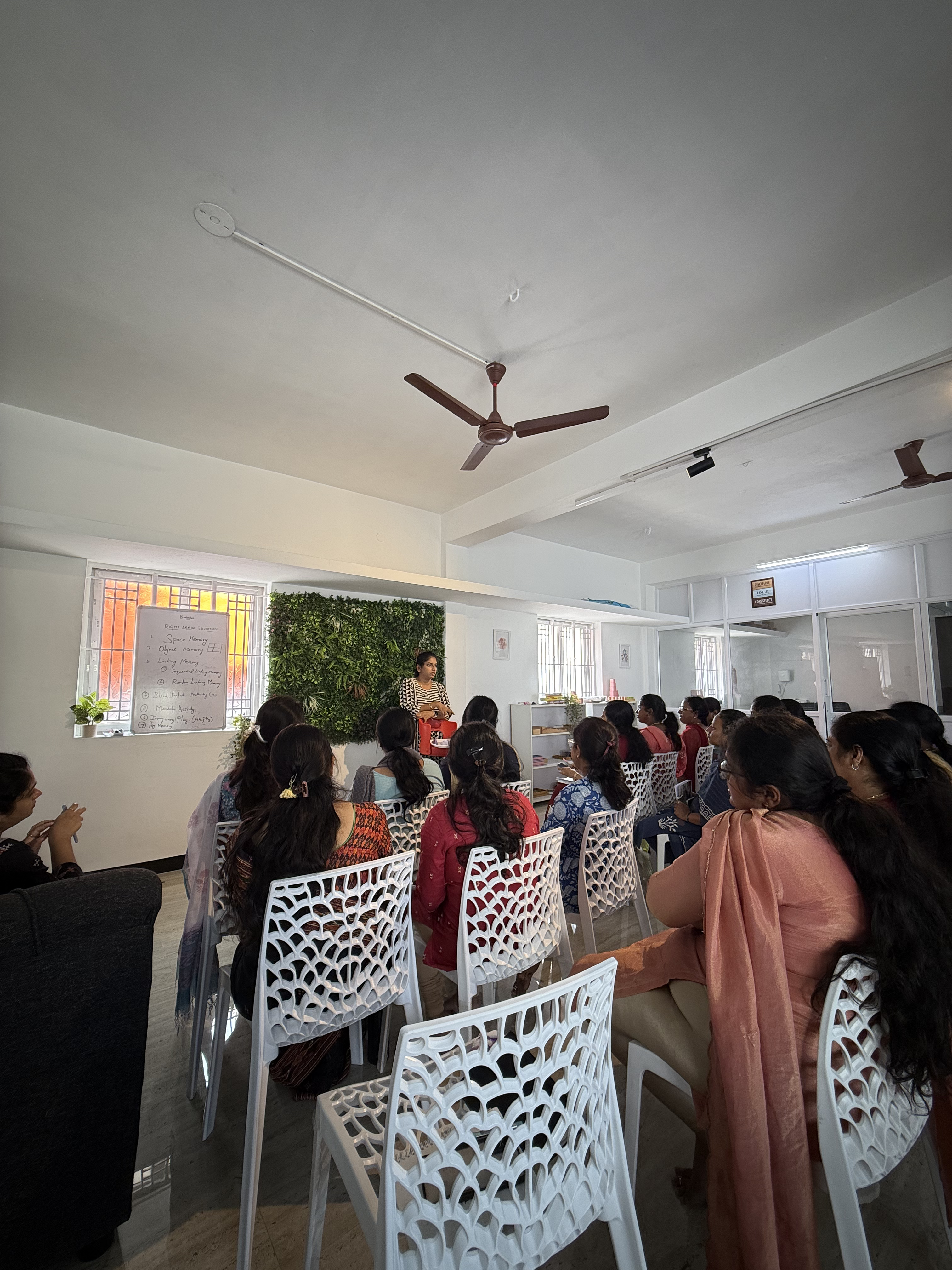
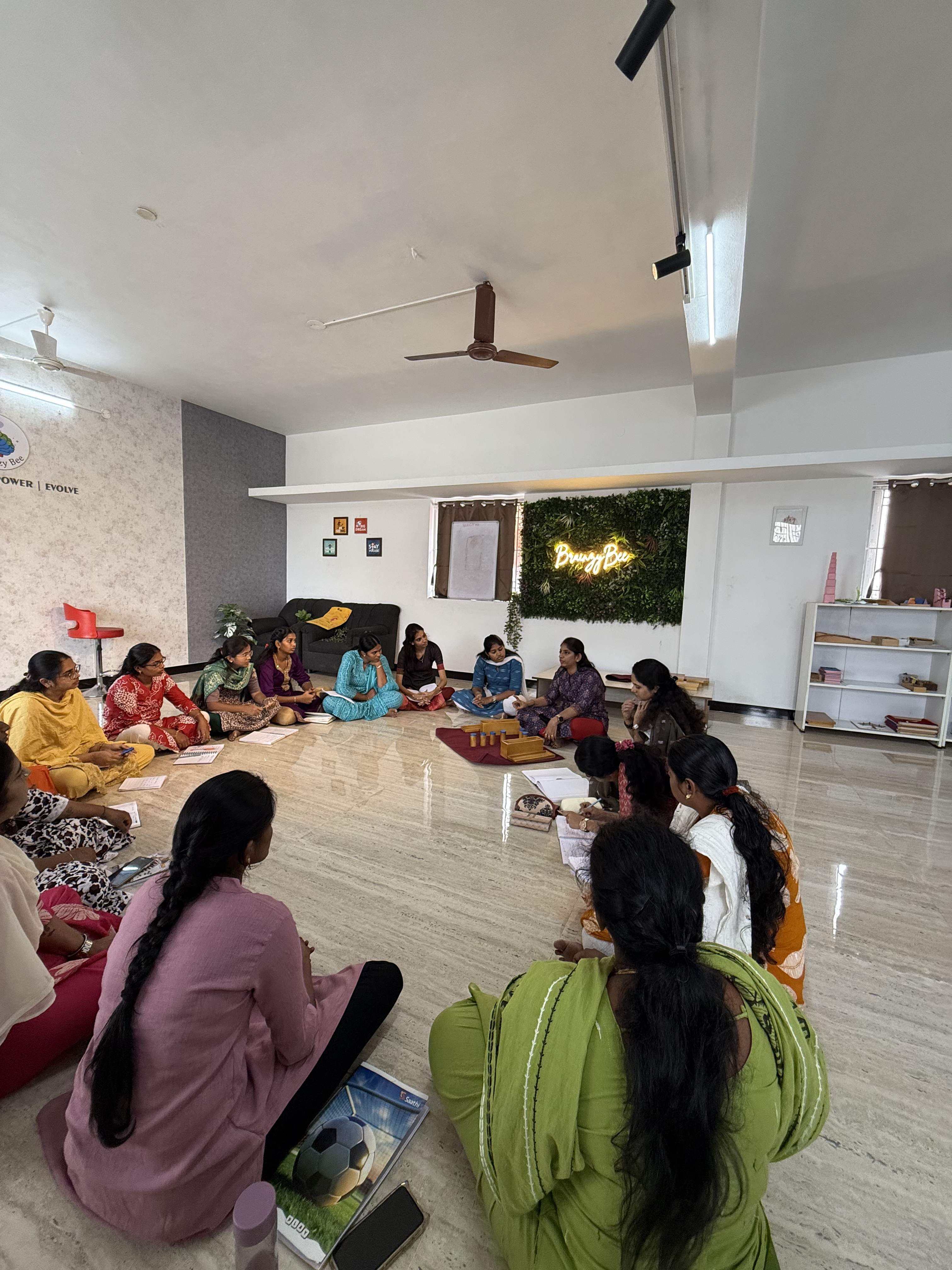
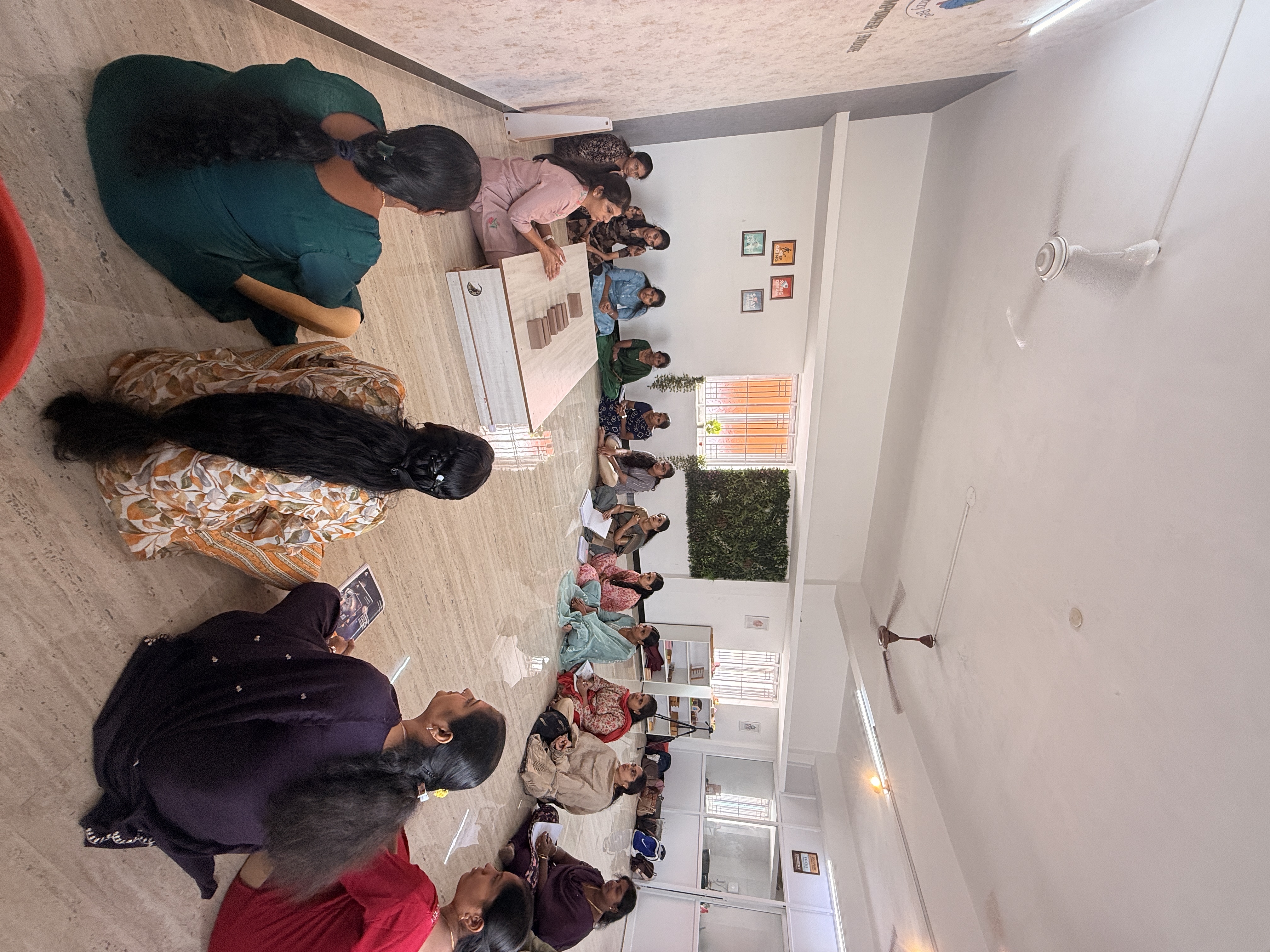
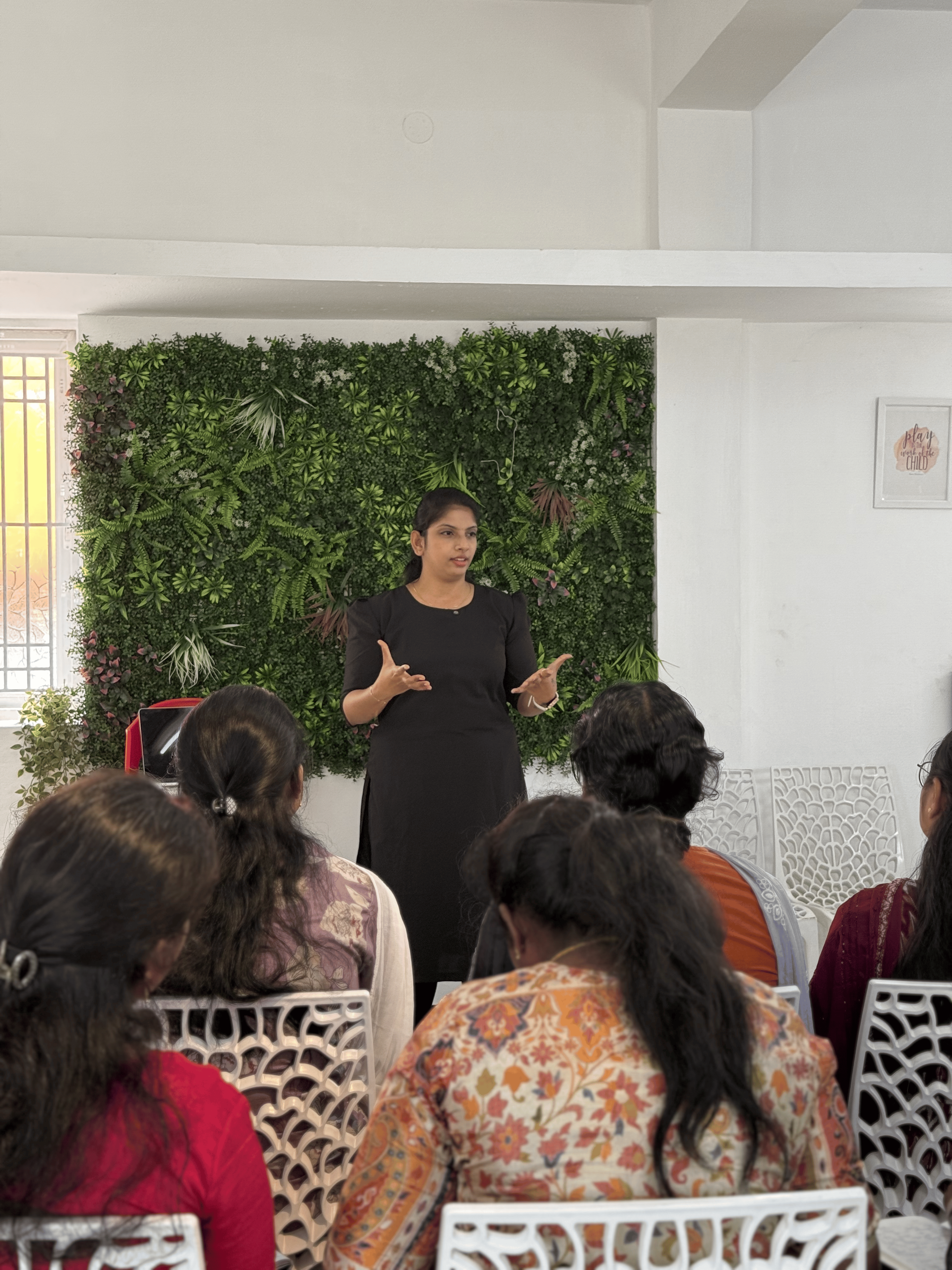
In our recent online practical workshop, we shifted the spotlight entirely from textbook theory to tactile execution:
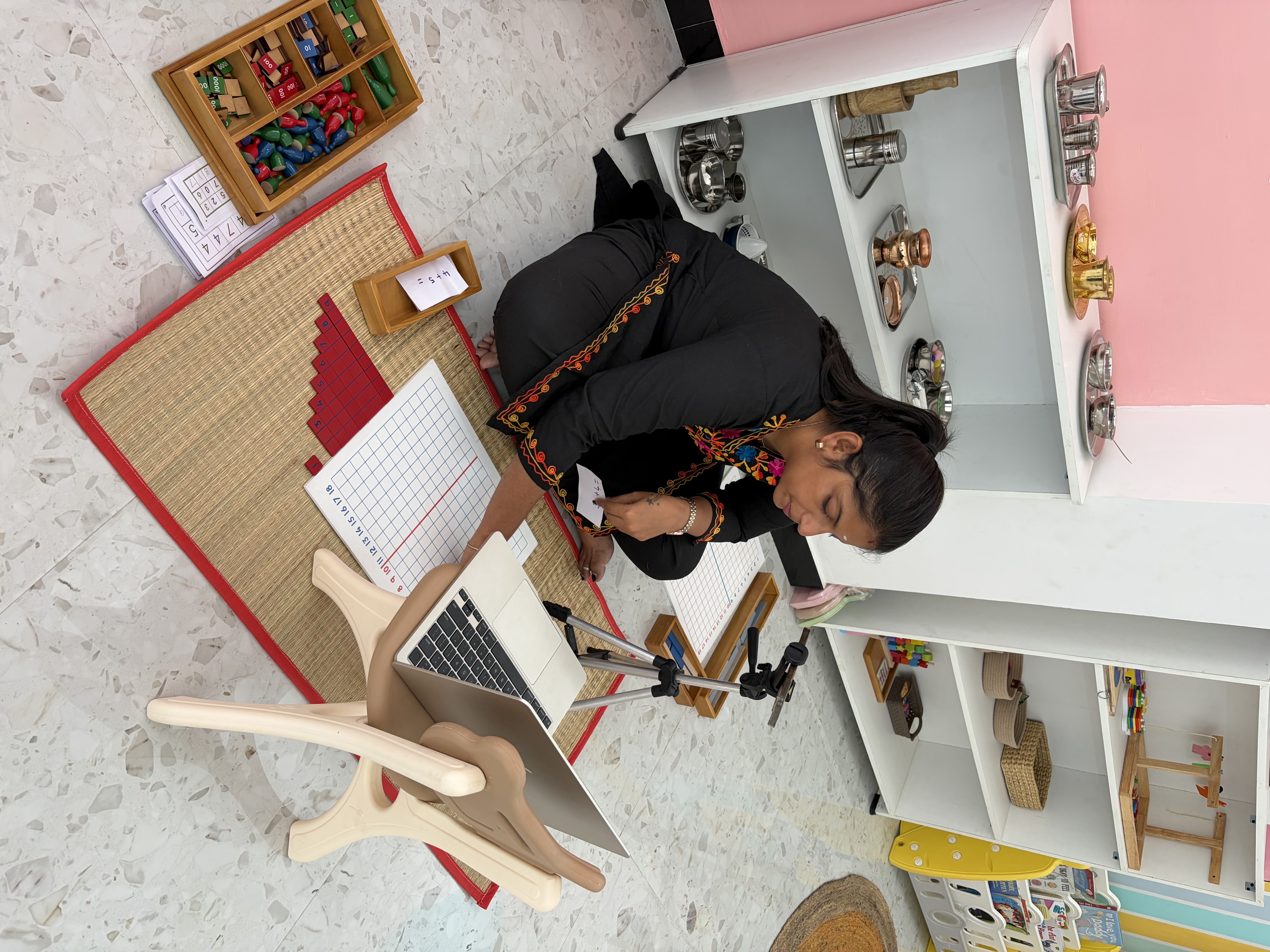
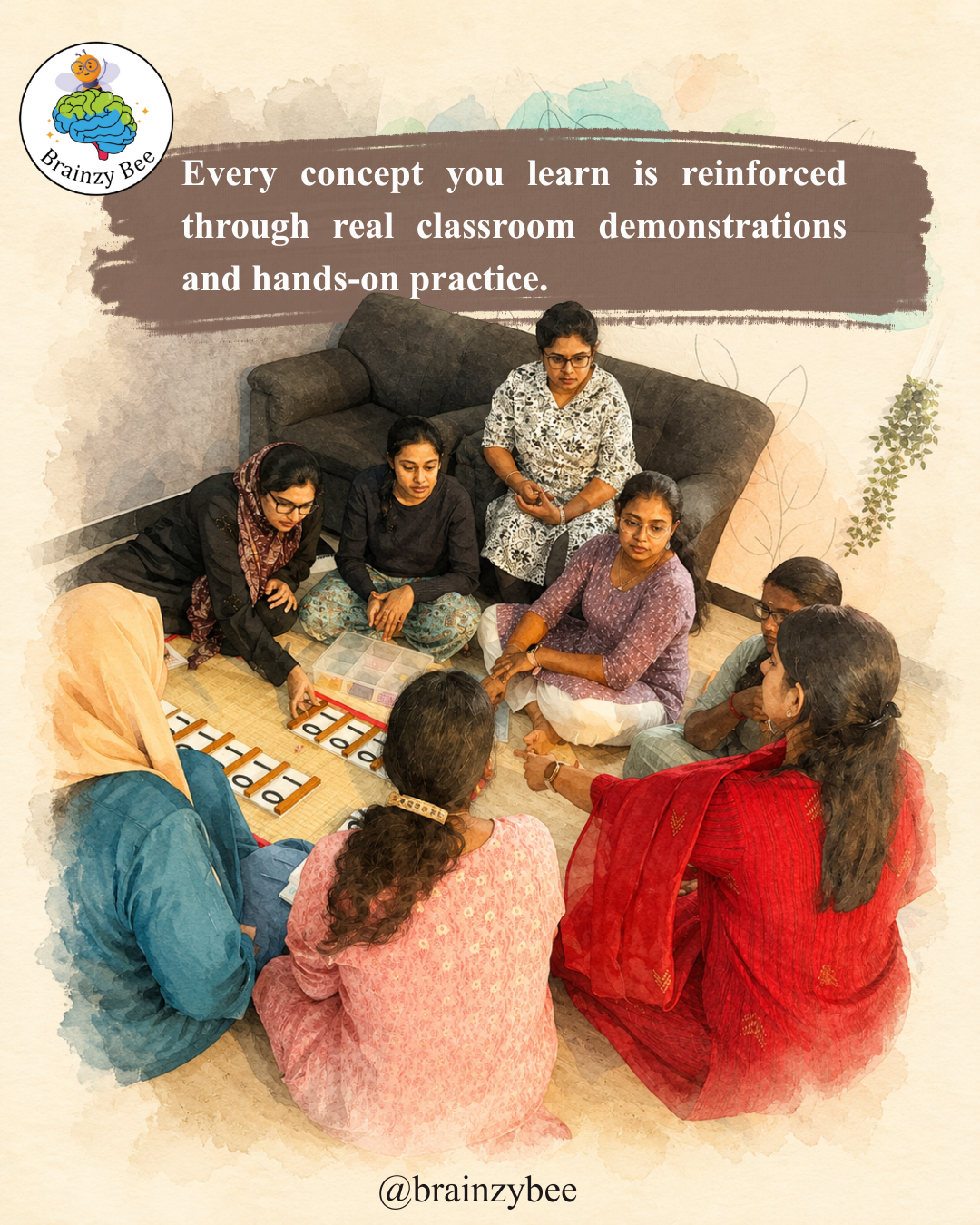
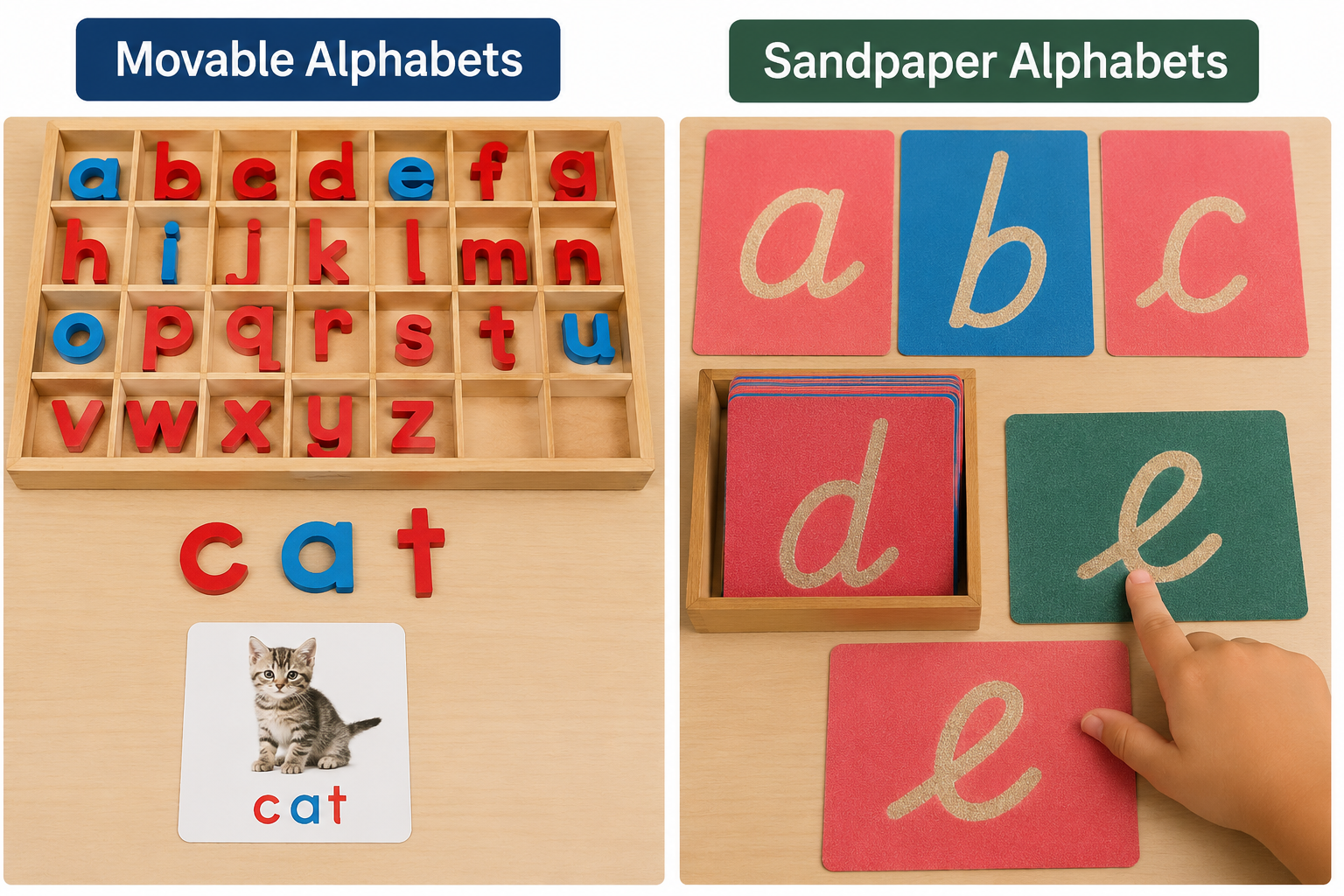
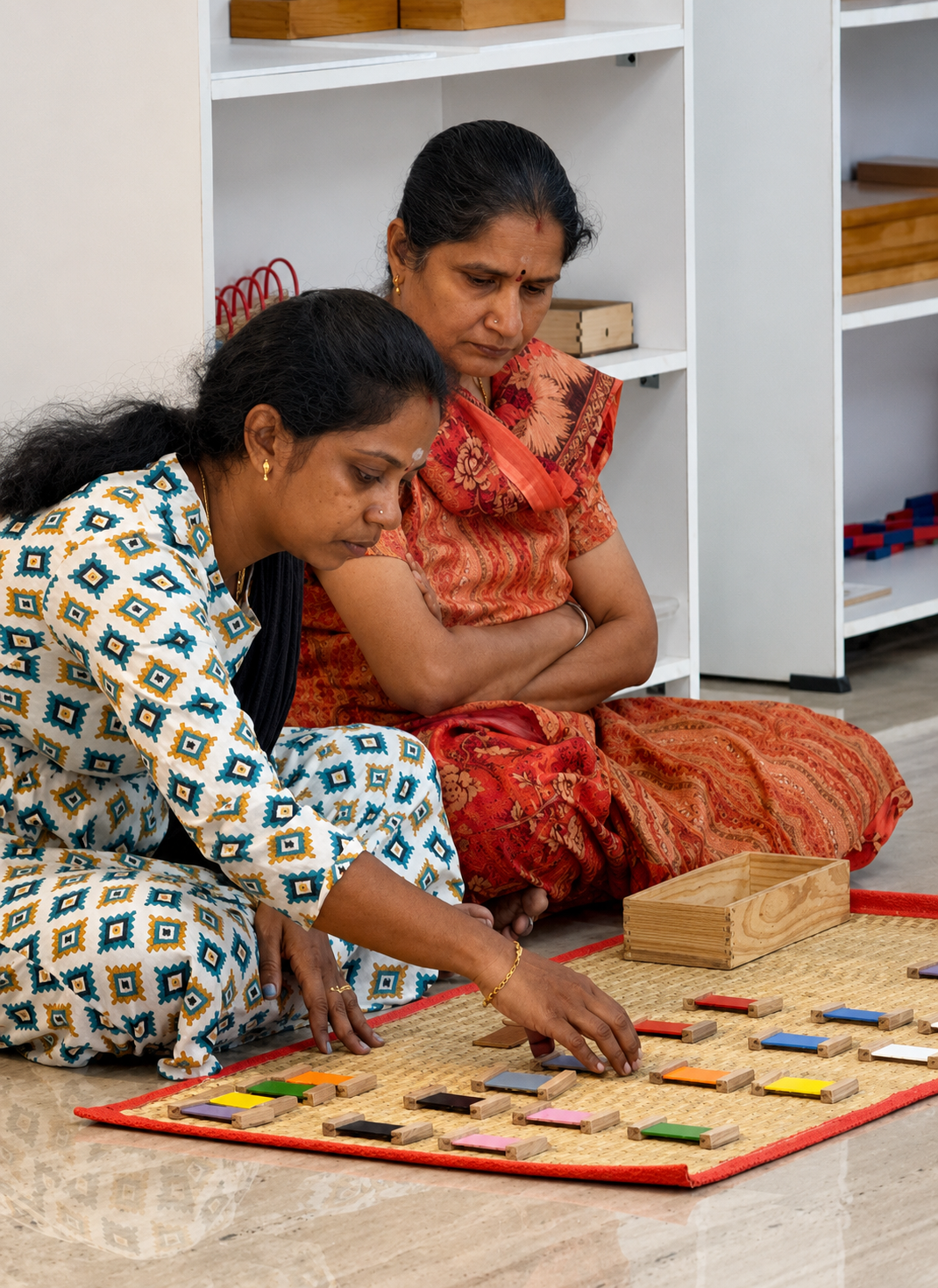
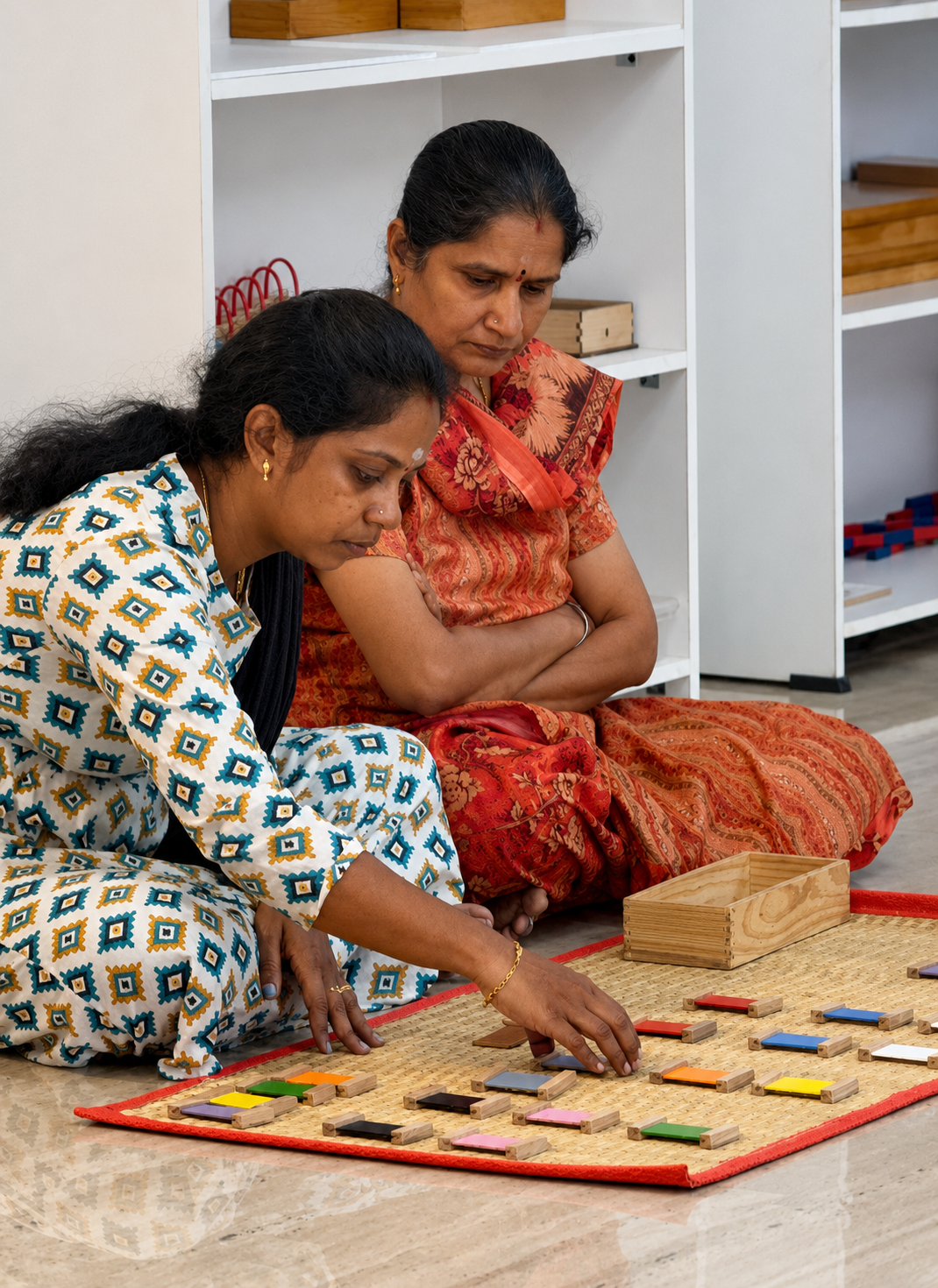
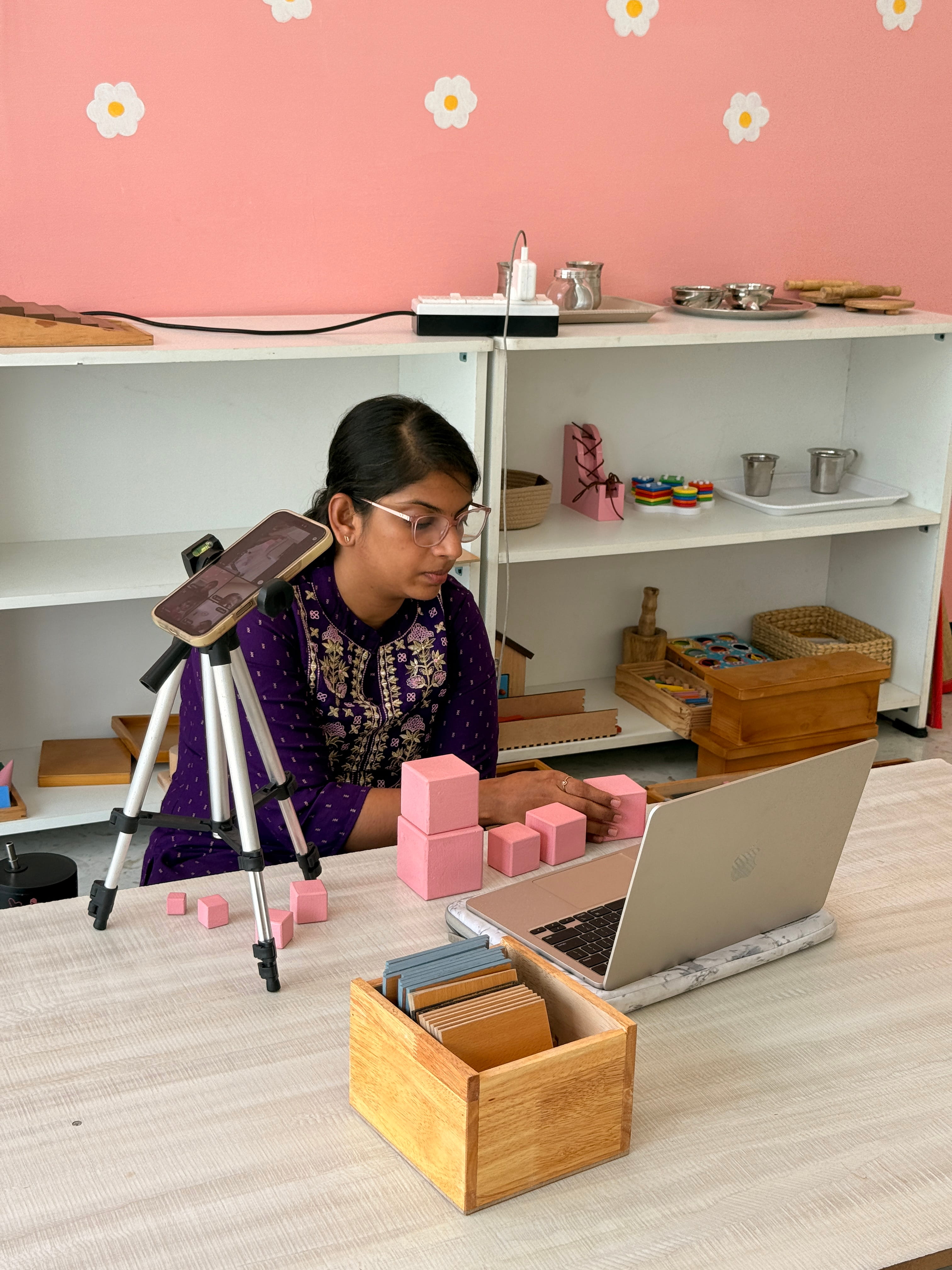
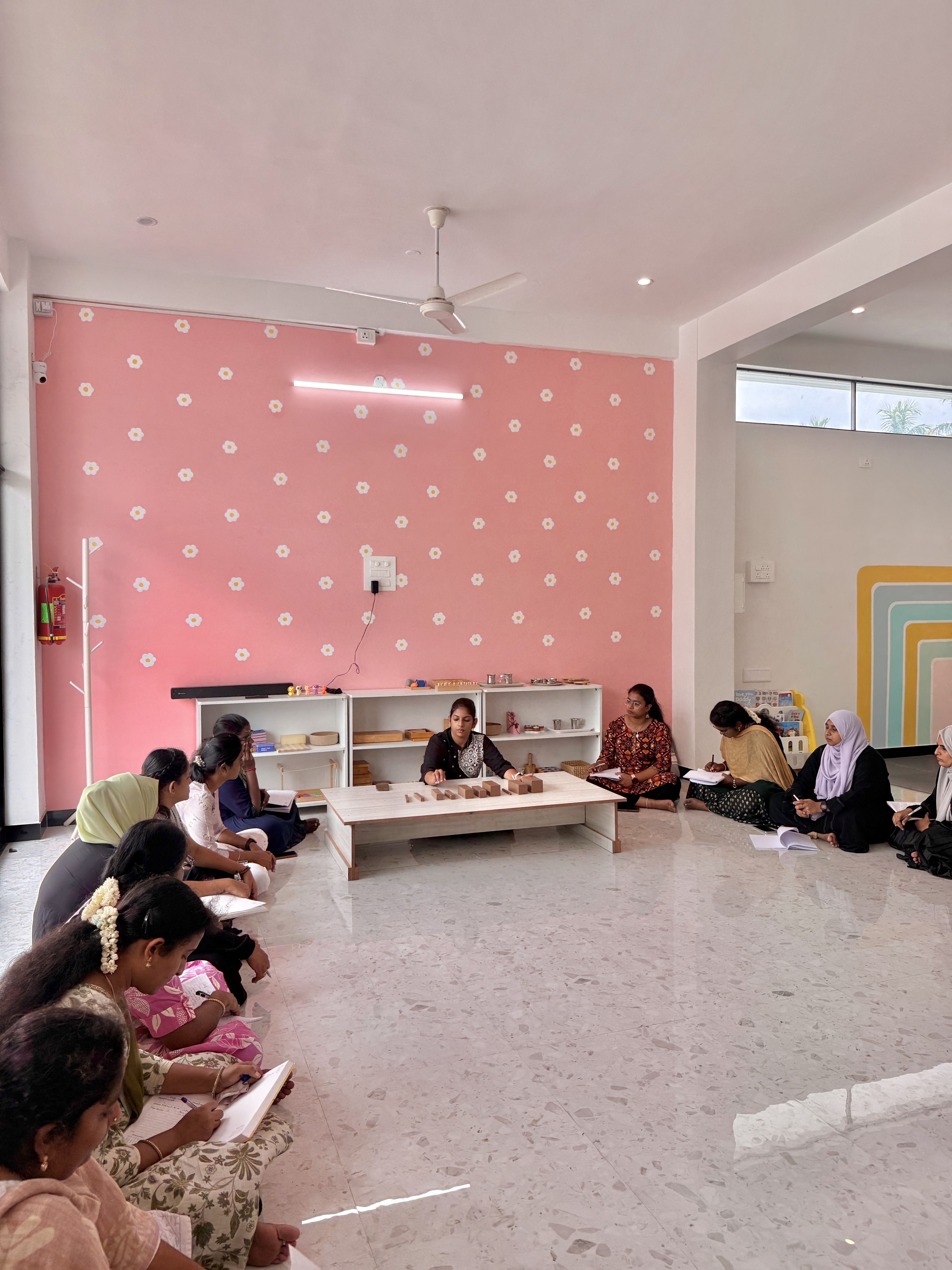
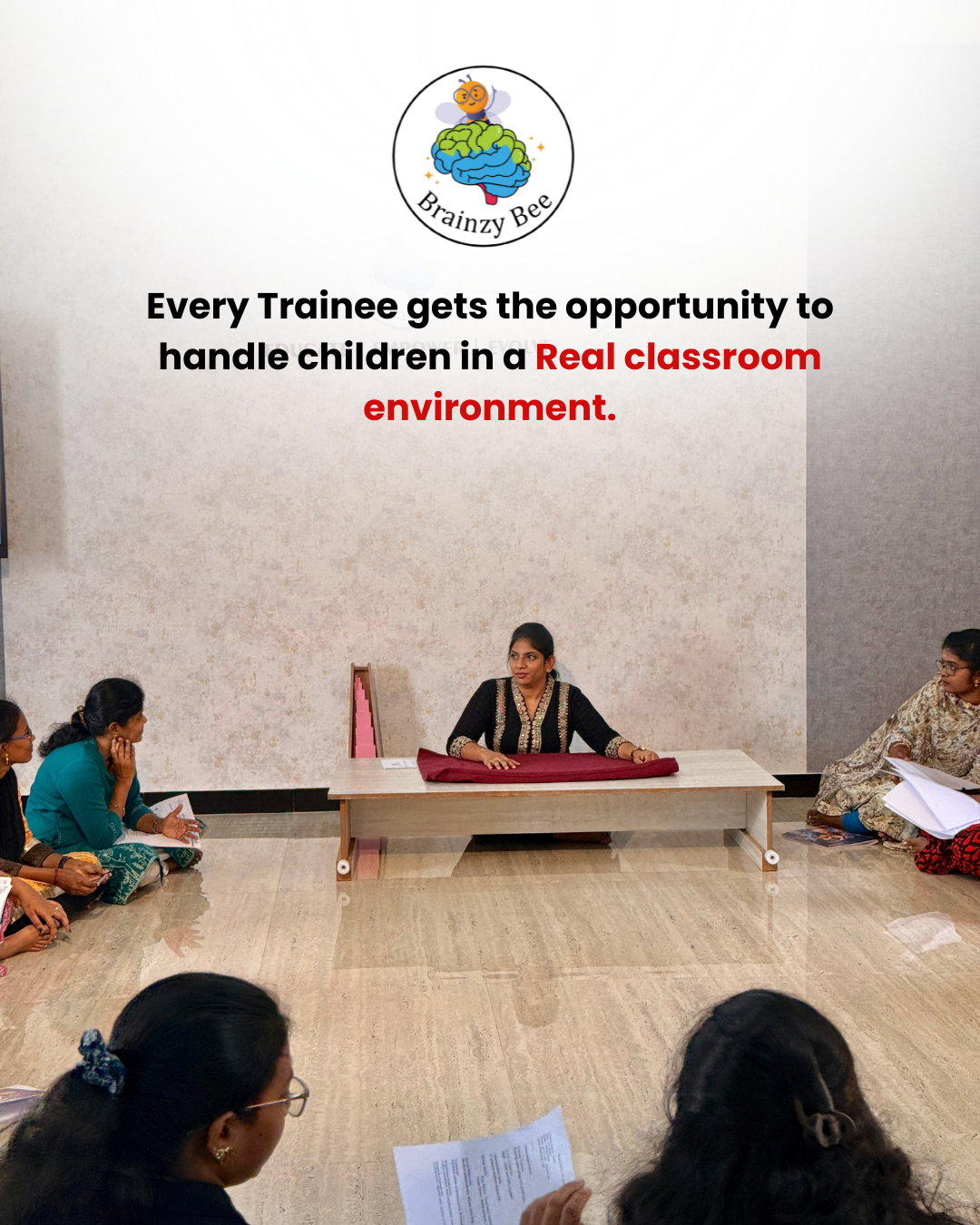
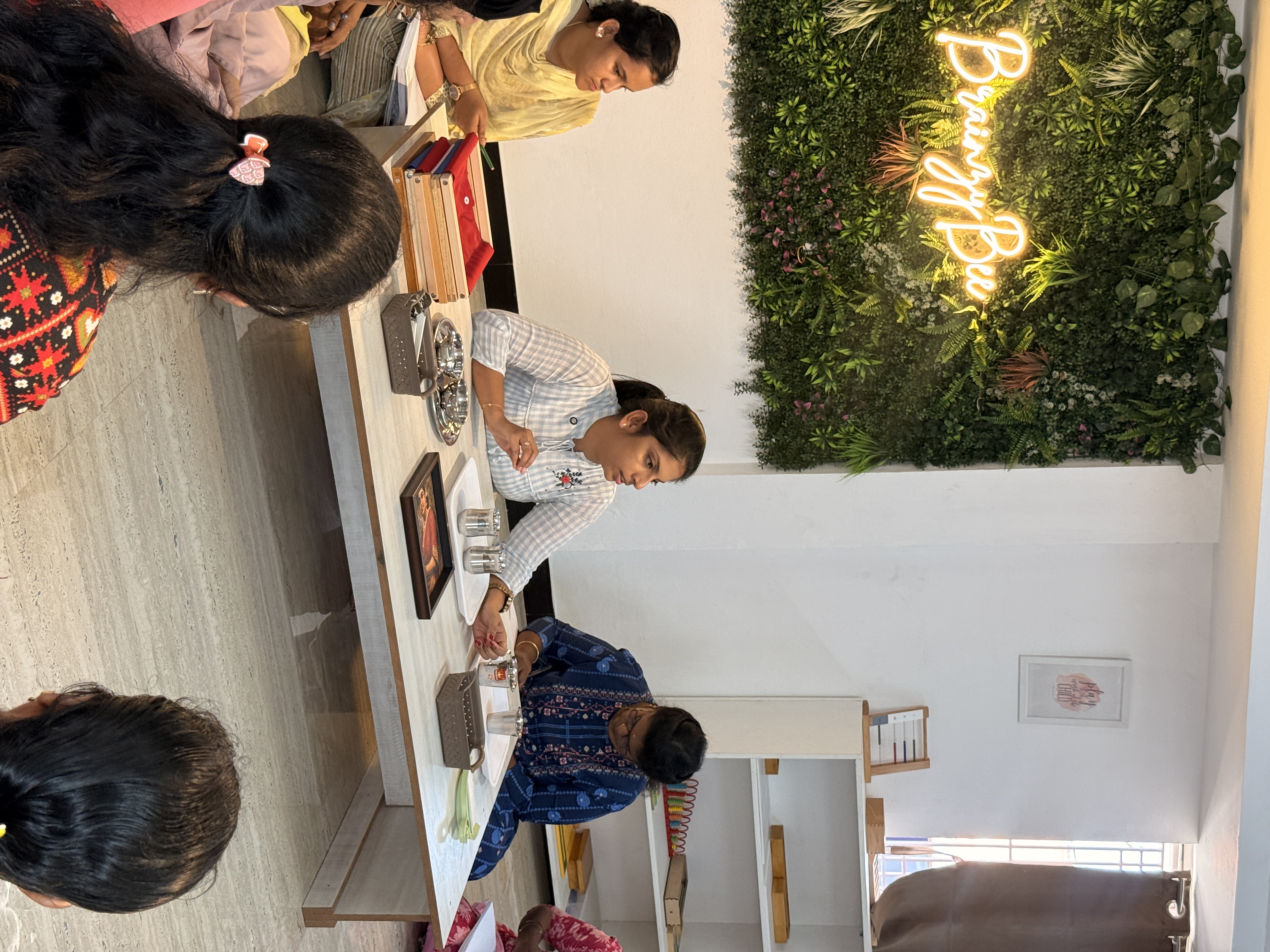
Live Material Presentations: Every piece of apparatus—from Sensorial cylinders to Practical Life (EPL) frames and Math manipulatives—was demonstrated live on camera with multiple angles to highlight hand placements, movement economy, and posture.
The "Three-Period Lesson" in Action: Trainees watched real-time presentations detailing how to introduce terminology and guide a child without interrupting their concentration.
Control of Error Breakdown: Trainers demonstrated how each material self-corrects the child, teaching trainees what subtle cues to watch for during individual work cycles.
How Online Trainees Experience Hands-on Learning
Distance does not dilute the practical rigor at BrainzyBee. Online students don't just observe; they engage:
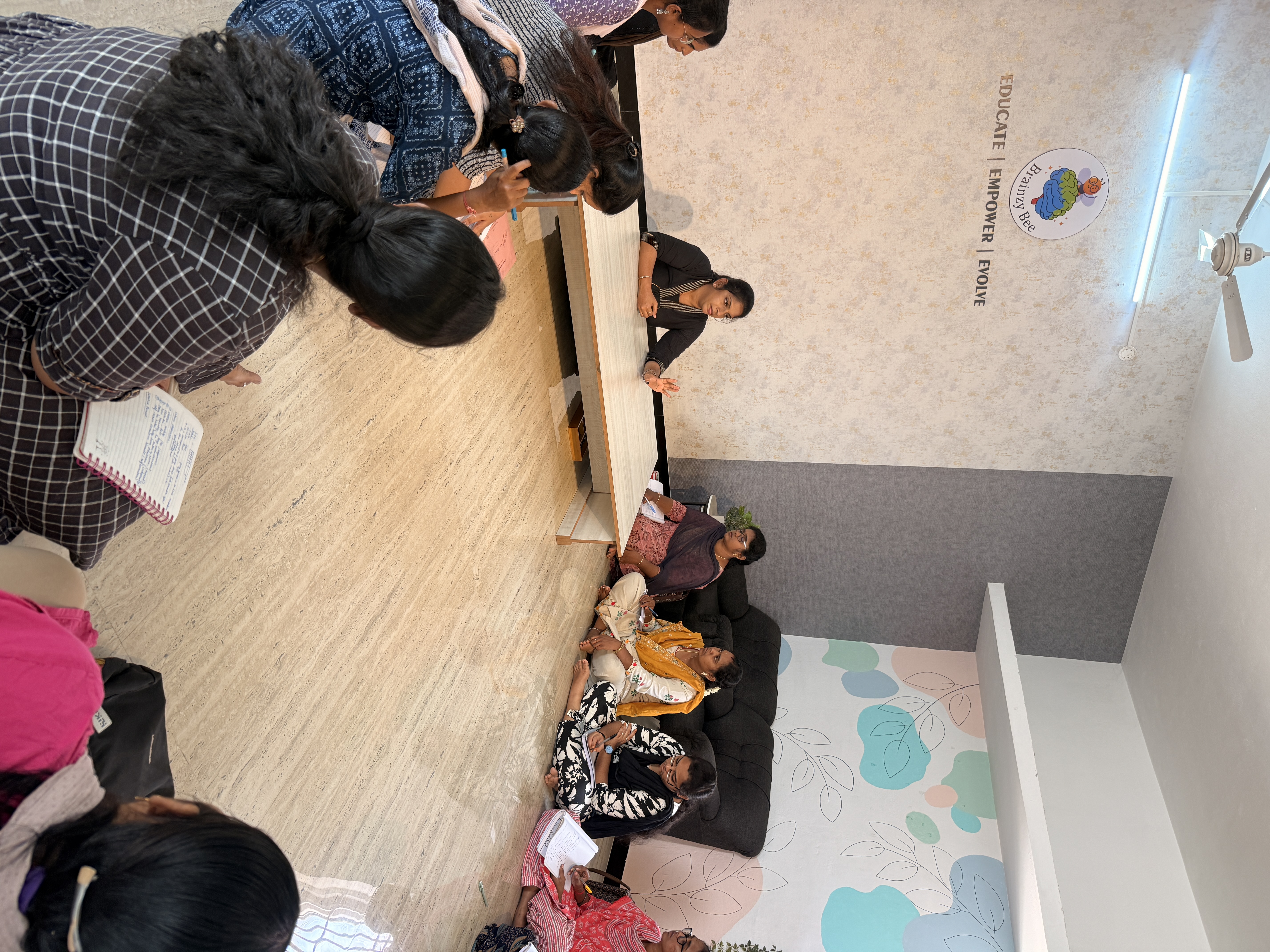
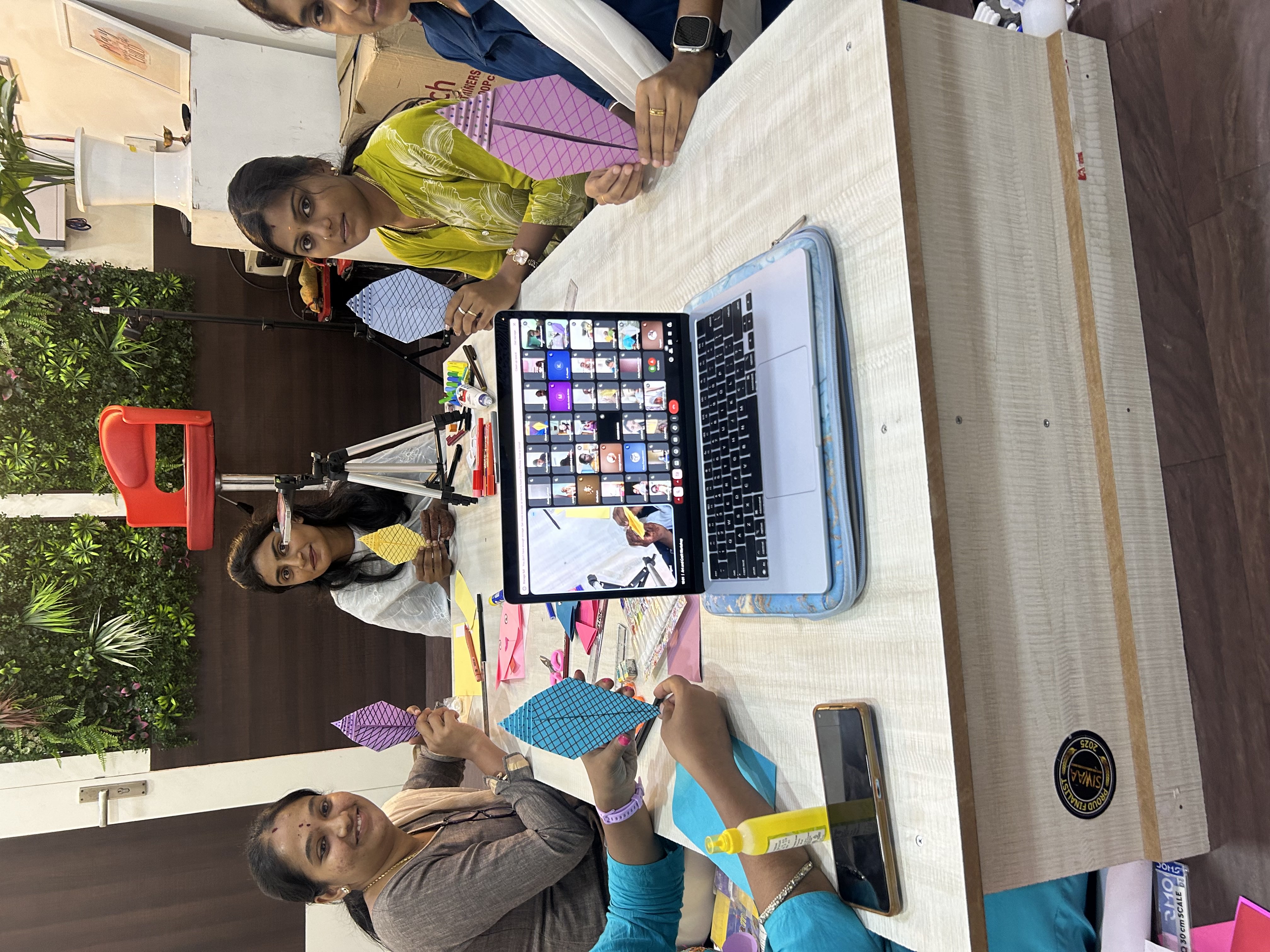
Simulated Presentations: Trainees handle their own kits and everyday household alternatives in real time, demonstrating material presentations on camera while receiving instant corrections on grip, pace, and presentation flow.
Live Troubleshooting: When a trainee encounters difficulty structuring a presentation sequence or handling an apparatus, trainers provide immediate feedback on screen.
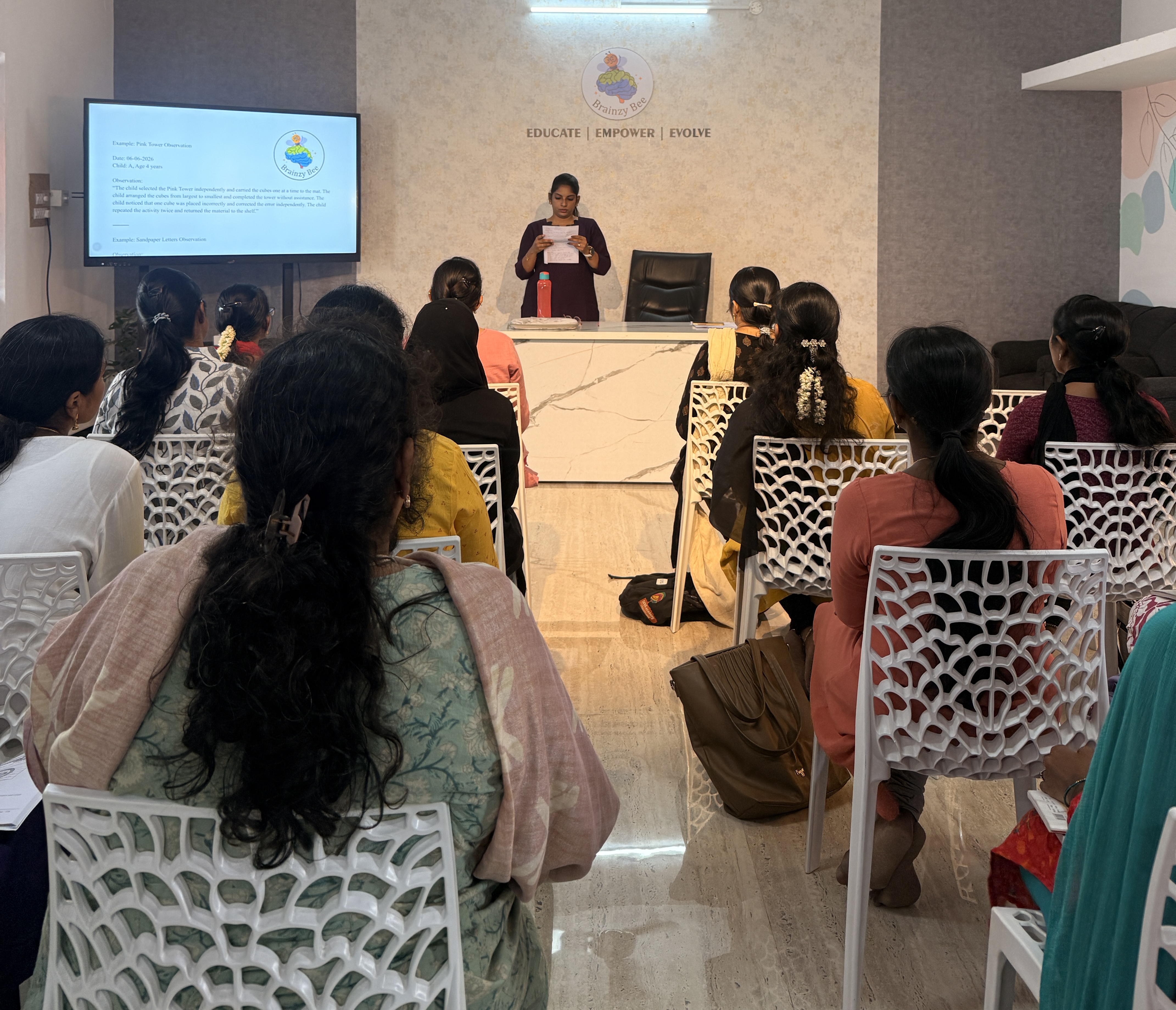
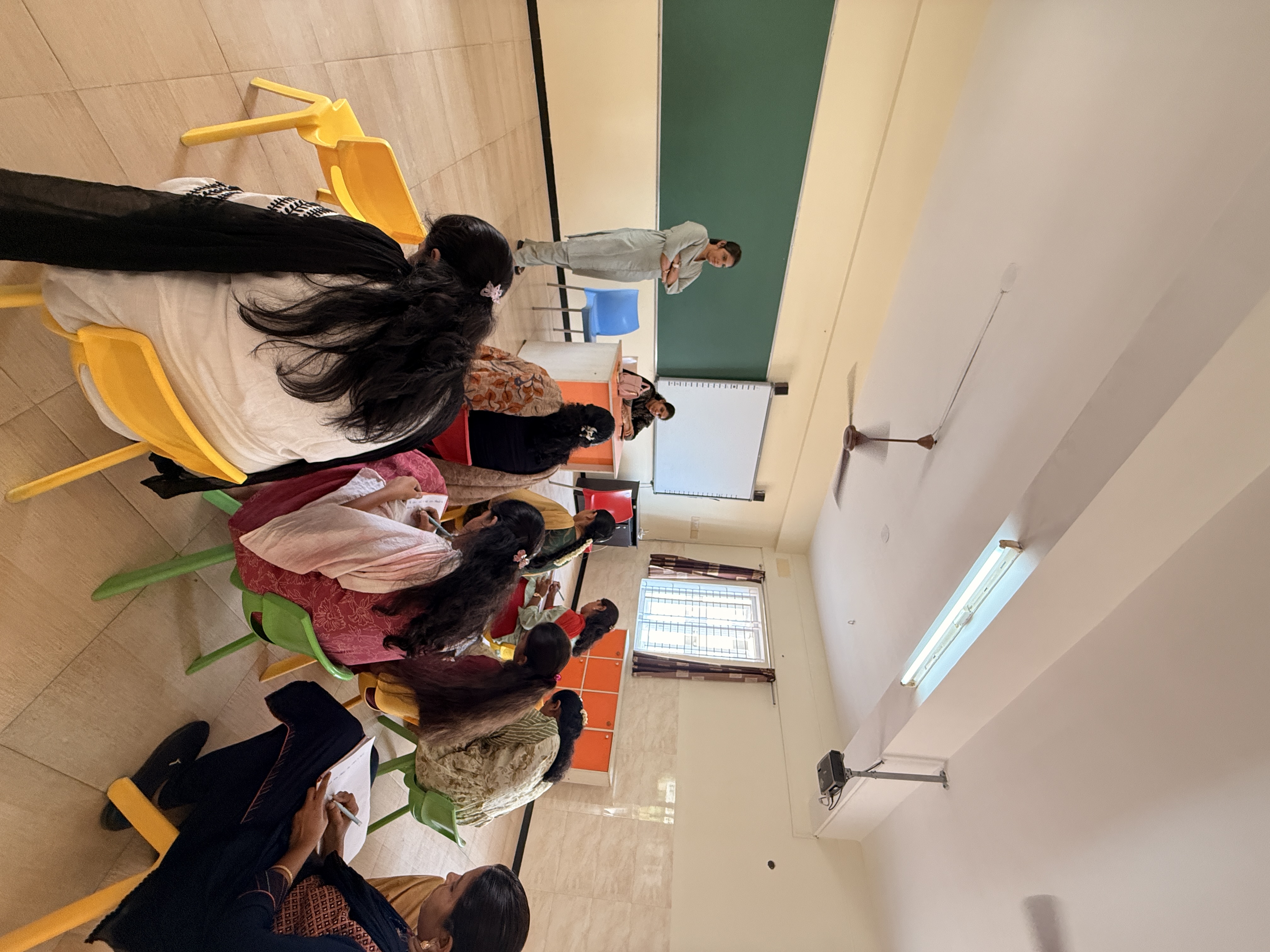
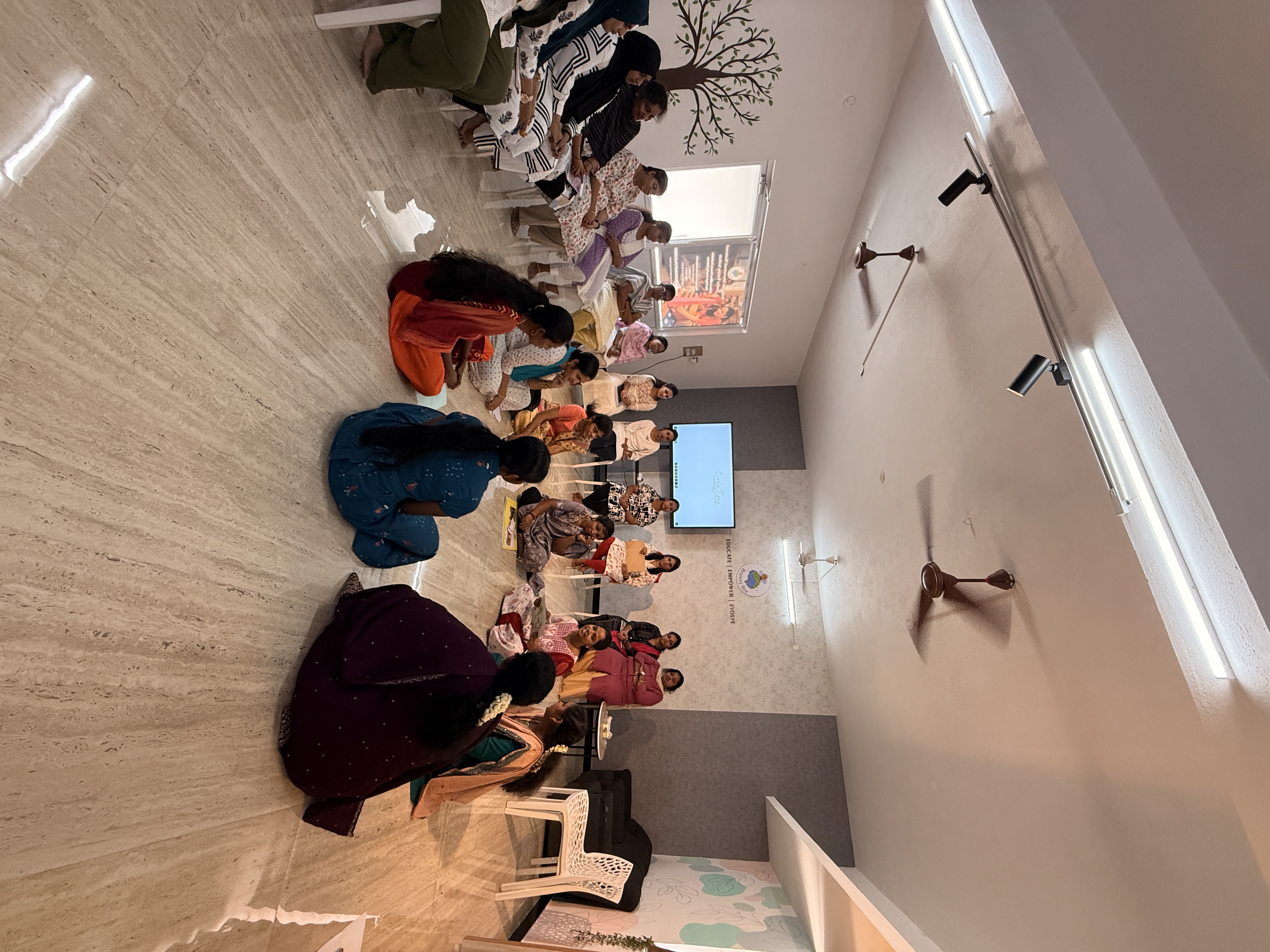
Interactive Observation Skills: Trainees practice analyzing child behavior scenarios, learning how to present work, step back silently, and observe without interfering.






.png)


.png)
.jpeg)
.jpg)

.jpg)


.png)




.png)
.jpg)